
FUE Hair Transplant
Thinning at your hairline or crown can make you feel older than you are, and topical products only go so far once follicles stop producing hair. A follicular unit extraction (FUE) hair transplant moves healthy follicles from the back and sides of your scalp into areas where growth has slowed or stopped. The result is new hair that grows naturally and can be cut, styled and colored like the rest.
Dr. Glenn Vallecillos performs FUE in Beverly Hills using the NeoGraft system, an automated device that extracts follicles one at a time. FUE is a minimally invasive procedure performed under local anesthesia, so you stay awake but comfortable. It also avoids the long linear scar left by older strip-harvesting methods.
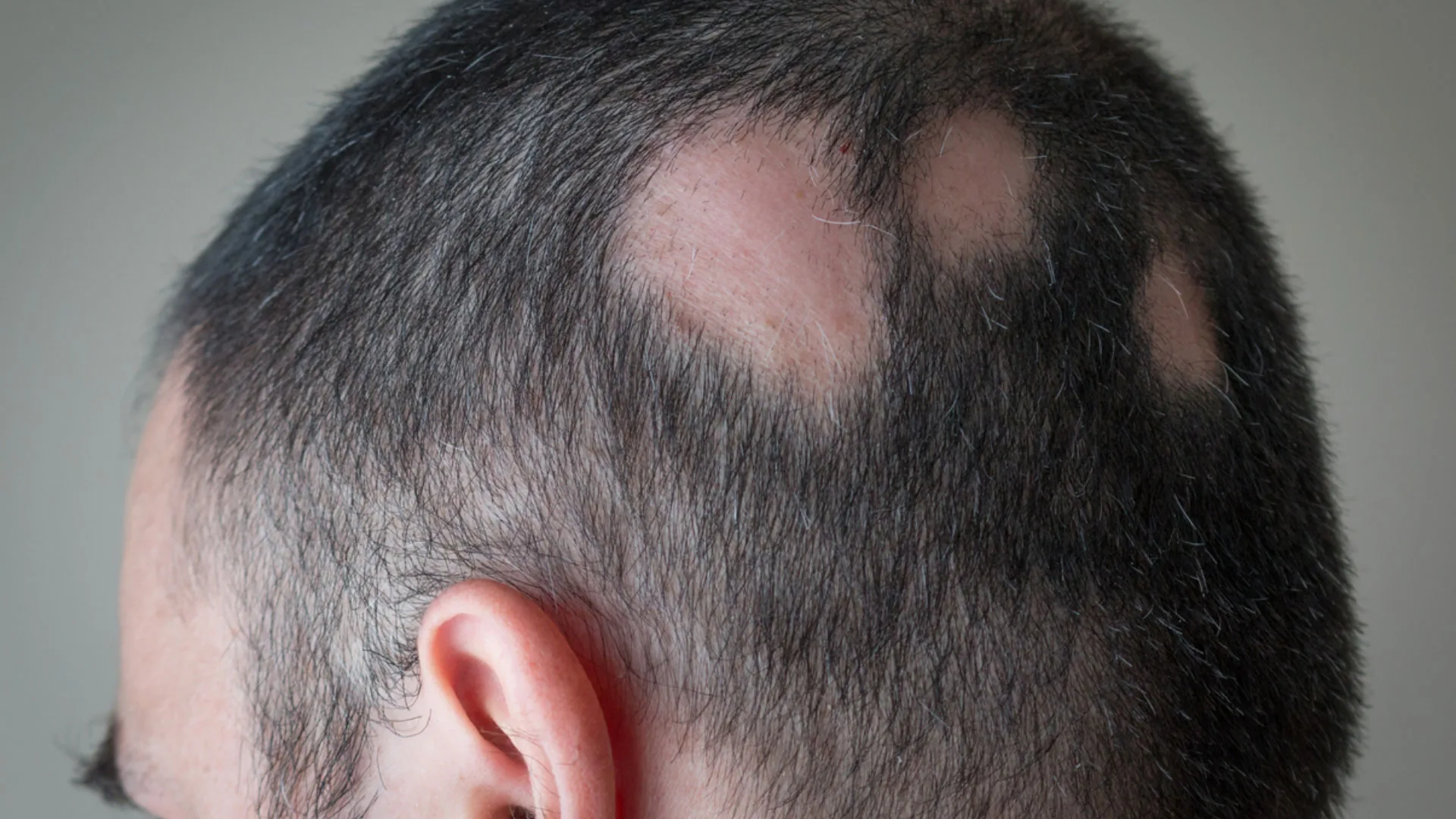
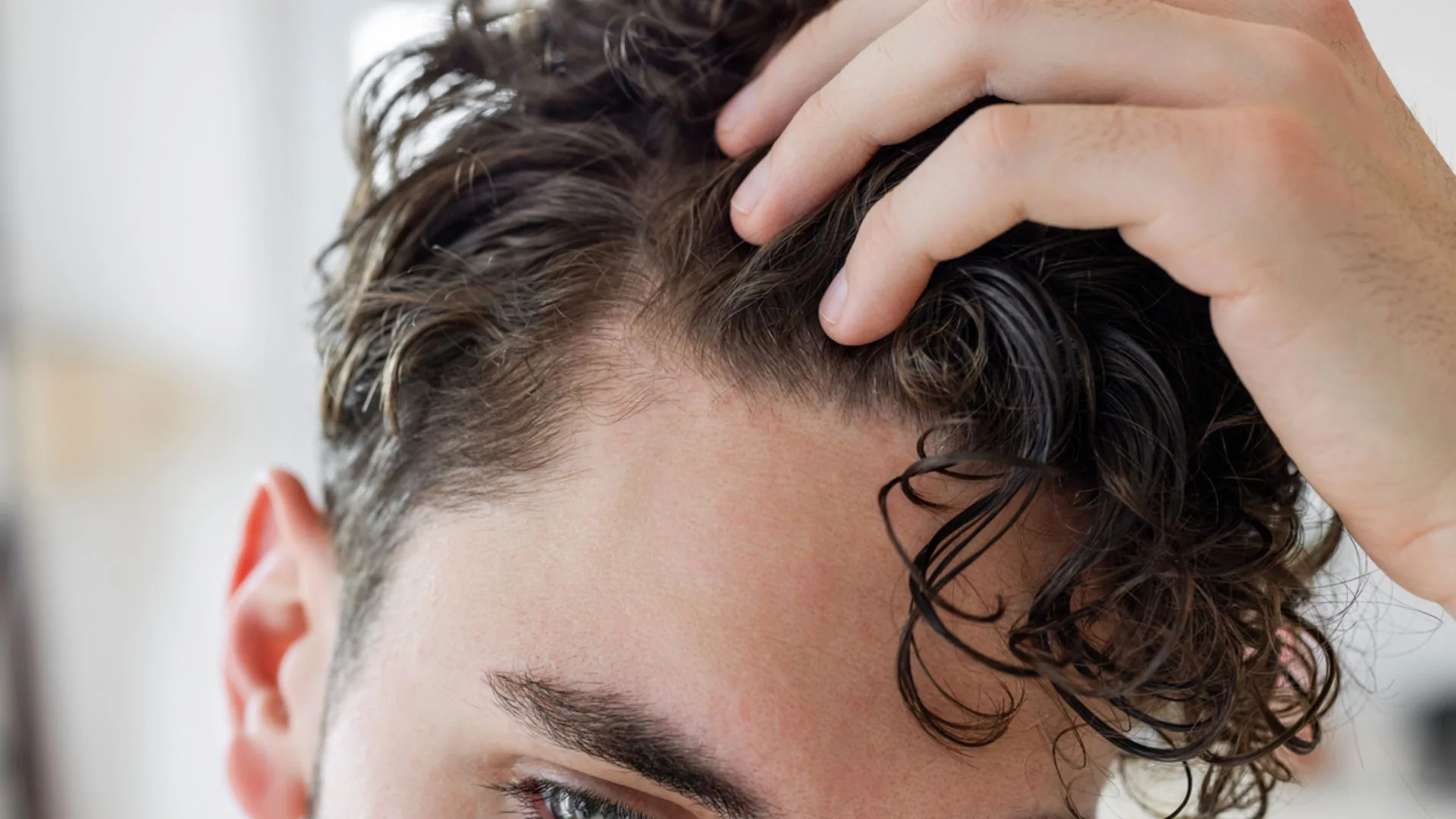
How NeoGraft FUE Differs From Strip Harvesting
Traditional follicular unit transplantation (FUT) removes a strip of scalp from the back of the head, divides it into grafts and closes the wound with sutures. That approach leaves a linear scar that can show if you wear your hair short. FUE instead harvests individual follicular units, natural groupings of one to four hairs, through tiny circular openings scattered across the donor area. These sites heal into small dots that surrounding hair typically conceals.
NeoGraft uses gentle pneumatic suction to lift each loosened graft. This reduces handling and helps protect delicate follicles before placement. Dr. Vallecillos then designs the recipient sites, setting the angle, direction and density of each graft to mirror the way your natural hair grows.
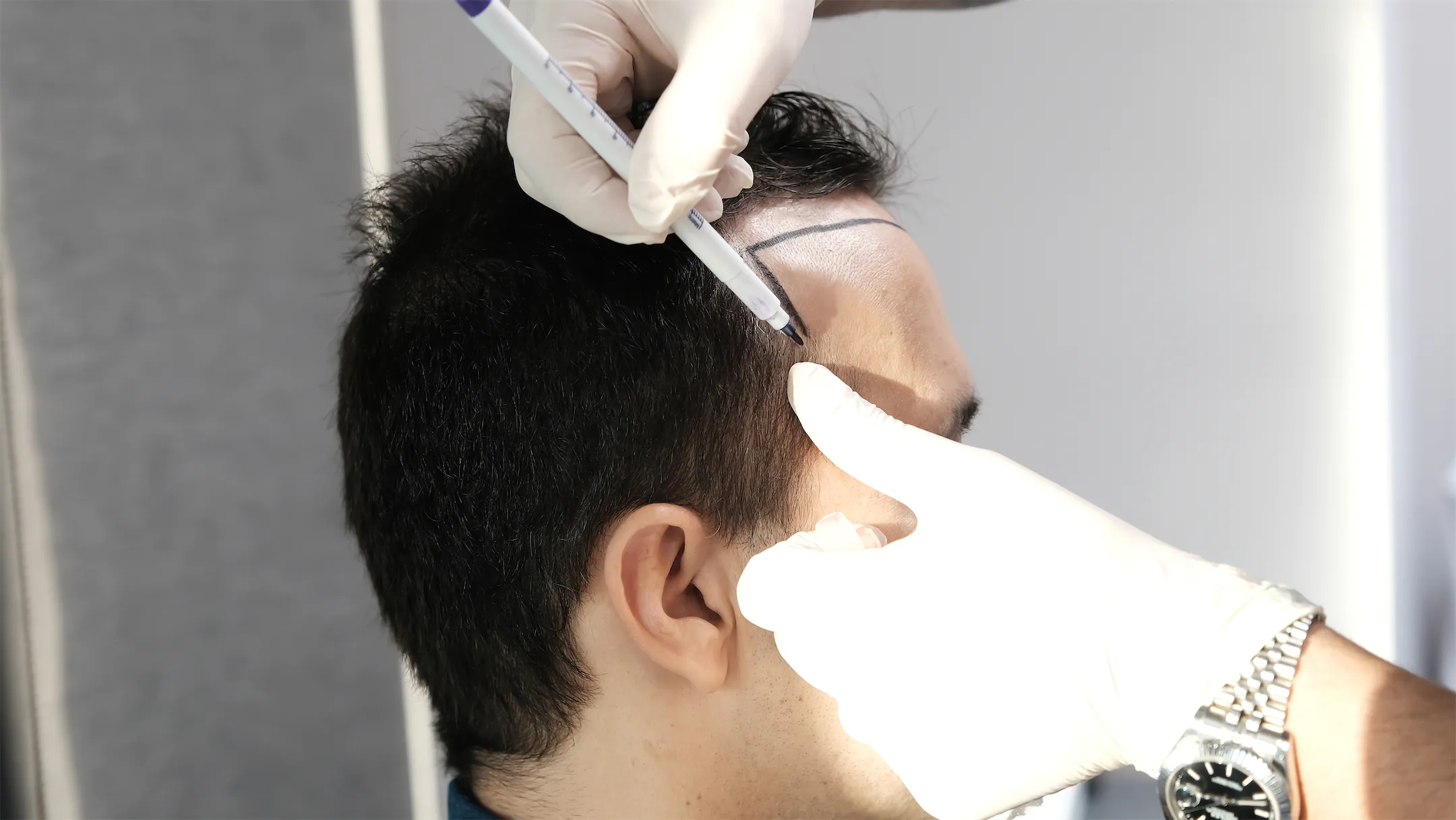
Hairline design is where artistry matters most. A hairline that’s too straight or too low can look artificial, so he plans one that suits your age, face shape and long-term pattern of loss.
Procedure Walk-through
Depending on the number of grafts, a typical session takes four to eight hours.
Preparation
In the week or two before your procedure, Dr. Vallecillos may ask you to stop aspirin, anti-inflammatory medications and blood-thinning supplements such as fish oil and vitamin E to limit bleeding and swelling. Avoiding alcohol and nicotine supports healing as well. Keep your hair at its current length, since the team trims the donor area on the day of your procedure. Wear a button-front shirt so you won’t need to pull anything over your head afterward, and arrange a ride home if you receive a sedative.
Anesthesia
FUE is performed under local anesthesia, which numbs the donor and recipient areas while you remain awake. An oral sedative may be offered to help you relax, and many patients watch a movie, listen to music or doze during treatment.
Procedure Duration
An FUE session is a longer commitment than many patients expect. Depending on the number of grafts, treatment typically takes four to eight hours, with breaks for meals and rest. Larger restorations may be divided across two consecutive days or staged months apart.
Recovery
You’ll go home the same day with instructions for gently cleansing your scalp. Mild swelling, tenderness and tightness are common for the first few days, and swelling can drift toward the forehead before it fades. Sleeping with your head elevated helps. Tiny scabs form around each graft and usually fall away within seven to 10 days, at which point the treated area becomes much less noticeable.
Many patients return to desk work within three to five days, particularly if they can wear a loose-fitting hat. Hold off on strenuous exercise, swimming and direct sun on your scalp for about two weeks. Transplanted hairs typically shed within the first few weeks while the follicles stay in place, rest and then begin producing new growth. Visit our Hair Restoration page for a full timeline of results.
Frequently Asked Questions
Is an FUE hair transplant considered surgery?
Is an FUE hair transplant considered surgery?
Yes. FUE is a minimally invasive surgical procedure, but it doesn’t involve removing a strip of scalp or closing an incision with sutures. It is performed on an outpatient basis under local anesthesia, and you go home the same day.
Does an FUE hair transplant hurt?
Does an FUE hair transplant hurt?
The numbing injections at the start are usually the most uncomfortable part. Once the anesthetic takes effect, most patients feel pressure rather than pain. Soreness in the days afterward is typically manageable with medication Dr. Vallecillos recommends.
Will people be able to tell I had a hair transplant?
Will people be able to tell I had a hair transplant?
For the first week or two, small scabs and some redness may be visible, and the trimmed donor area may be noticeable if you wear your hair very short. Once those heal and new growth fills in, grafts placed at natural angles are designed to blend with your existing hair.
How long do FUE results last?
How long do FUE results last?
Donor follicles come from the back and sides of the scalp, which are generally resistant to the hormone behind pattern hair loss, so transplanted hair typically keeps growing for the long term. Your native hair can continue to thin around it, however. Some patients plan additional sessions or maintenance with PRP microneedling to support the surrounding hair.
Can women get an FUE hair transplant?
Can women get an FUE hair transplant?
Yes. Women with a stable, defined area of loss, such as a widened part or thinning along the hairline, can be strong candidates. Diffuse thinning that also affects the donor area may call for a different approach, which Dr. Vallecillos will assess at your consultation.
What are the risks of FUE?
What are the risks of FUE?
Temporary swelling, numbness and bruising are the most common effects. Some patients develop small, pimple-like bumps from irritated follicles, or temporary shedding of native hair near the grafts. Less commonly, infection, poor graft growth or visible thinning in the donor area can occur. Careful planning and an experienced surgeon help keep these risks low.