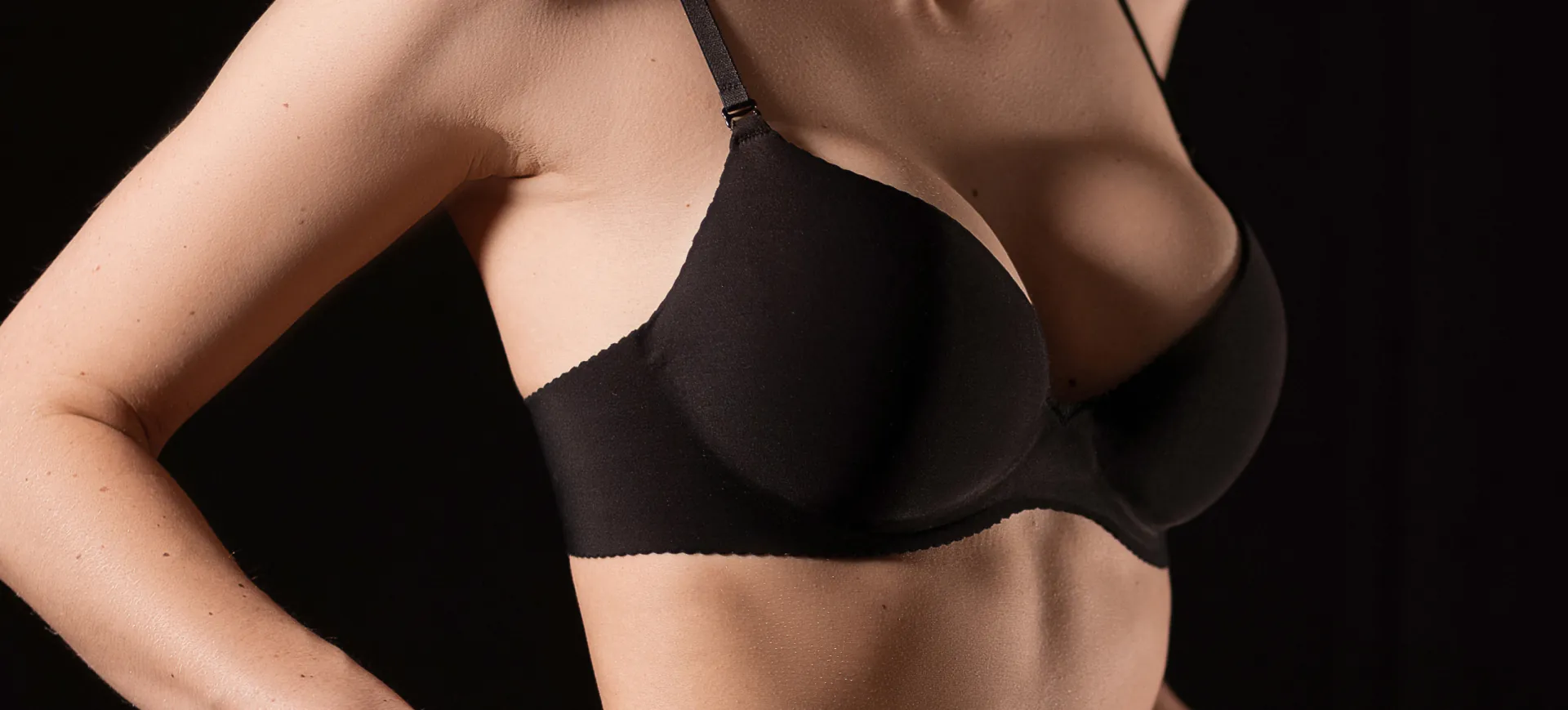
Breast Augmentation
Maybe your breasts never quite matched the rest of your figure, or pregnancy, breastfeeding and weight changes have taken some of the fullness you used to have. Breast augmentation restores volume and shape so your silhouette feels like your own again. Beverly Hills plastic surgeon Dr. Glenn Vallecillos has more than 15 years of experience with breast augmentation and has performed thousands of these procedures. As a Fellow of the American College of Surgeons and a senior faculty member who trains physicians across the country, he brings that depth of expertise to every implant choice he helps you make.
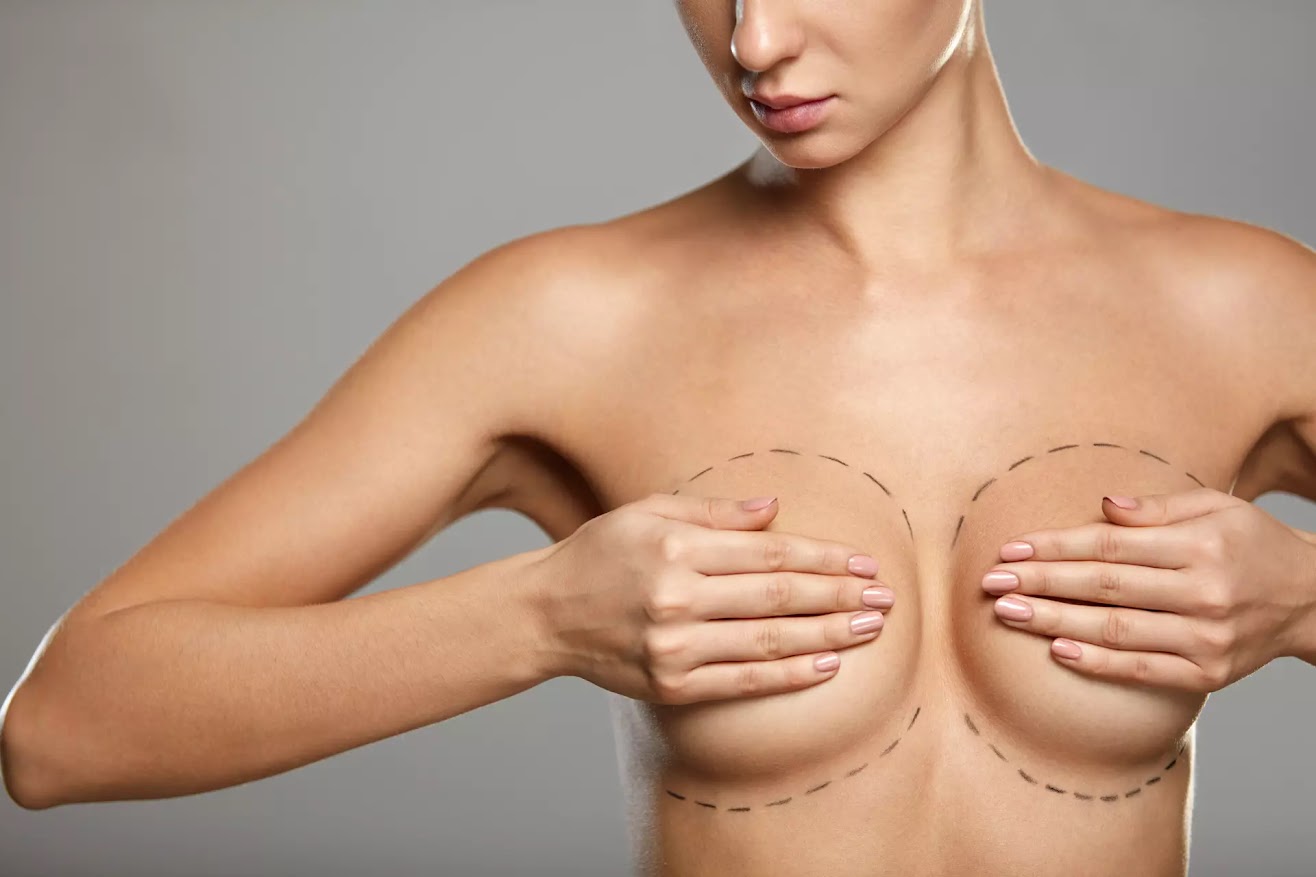
What is a Breast Augmentation?
Breast augmentation, also called augmentation mammoplasty, is a cosmetic surgery that increases breast size, fullness and projection using saline or silicone implants placed beneath the breast tissue. Women often choose this procedure when their breasts feel too small for their frame, developed unevenly or lost volume over time. Because implants are a long-term decision, your consultation with Dr. Vallecillos covers implant type, size and placement in detail, giving you the information you need to decide whether augmentation fits your goals.
Benefits of Breast Augmentation
It is important to keep in mind that the benefits of breast augmentation will vary from person to person, and the decision to undergo this procedure should be made after careful consideration and consultation with a qualified plastic surgeon. Dr. Vallecillos will guide you through the consultation process and determine with you whether or not a breast augmentation procedure is the appropriate procedure for your body goals and aspirations.
What Results to Expect:
- Increased breast size and volume
- Improved breast symmetry
- Improved confidence and self-esteem
- Enhanced clothing options
- Restored breast volume after pregnancy or weight loss
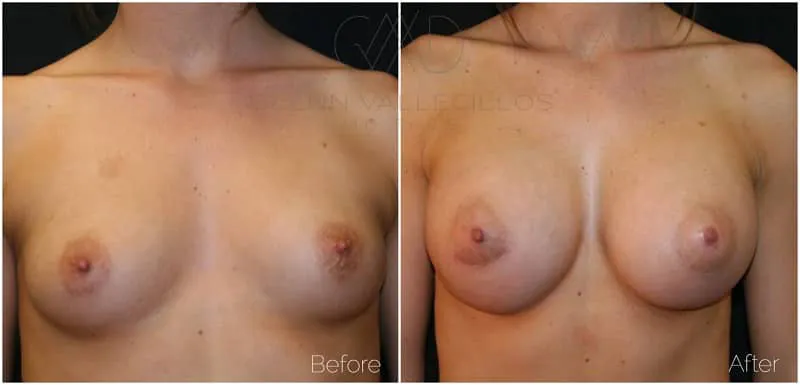
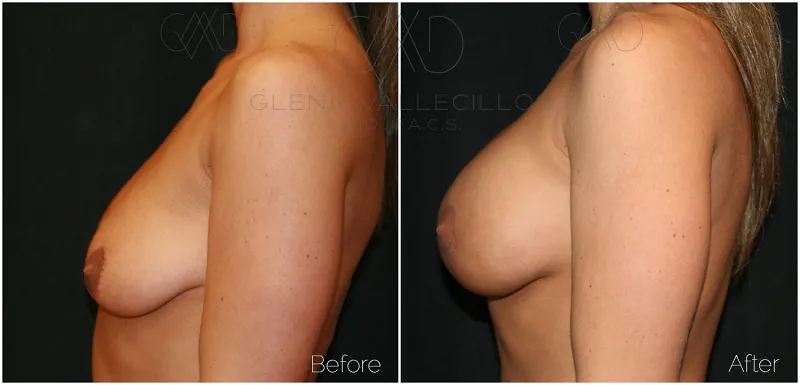
Real Ellacor Micro Coring Results
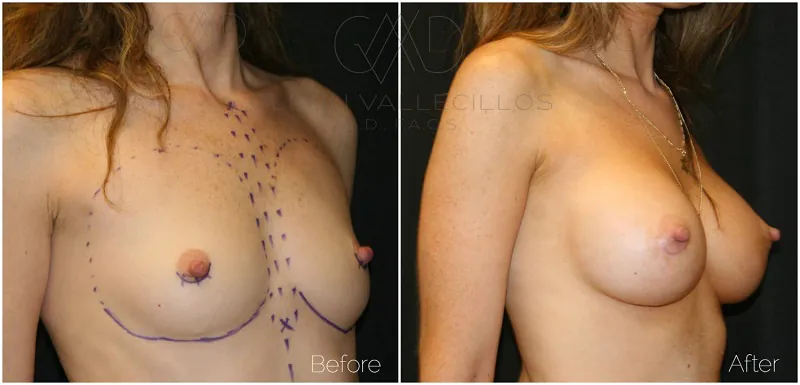
Before & After Preparation
During your consultation with Doctor Vallecillos, a thorough medical history is taken, including current medical issues, previous surgical history, current medications, drug allergies, as well as a family history of breast cancer. Radiologic studies such as MRI or mammograms will be reviewed, when indicated.
Next, we will review the goals and expectations of the procedure in detail. Surgical options such as implant size, shape, texture, and silicone consistency will be reviewed and recommendations will be given as to which is best for you. Incision options will also be reviewed. Risks and benefits will be reviewed in detail, and the patient is allowed ample time to ask any questions and review any concerns they may have. Lastly, the patient will meet with the surgical consultation to discuss pricing, financing options, and perioperative planning.
Prior to surgery, you may be required to obtain/do the following:
- Lab testing
- Medical evaluation
- Get a baseline mammogram or MRI
- Stop smoking
- Stop certain medications and avoid taking aspirin, and certain anti-inflammatory drugs and herbal supplements that may increase the chance of bleeding
Special Instructions that will be reviewed prior to surgery:
Instructions for the day of surgery
- Details for the surgical center location & arrival time
- Post-operative instructions
- Follow-up appointments
- Confirmation of your ride home and aftercare chaperone
- Breast Implant Registry Instructions
During the Procedure
Breast augmentation is typically performed on an outpatient basis under general anesthesia. The specific surgical technique used may vary depending on the patient’s individual anatomy and aesthetic goals.
- Surgical Time: 45 minutes to 2 hours
- Pre-op: Prior to receiving anesthesia, an IV is placed to administer fluids and provide medications during the procedure.
- Anesthesia: The patient is given general anesthesia to ensure that they are asleep and do not experience any pain or discomfort during the procedure.
- Incision: The surgeon injects the breasts with local anesthesia and creates the incision.
- Placement of the implant: The surgeon inserts the breast implant either under the chest muscle (submuscular) or directly behind the breast tissue (subglandular), depending on the patient’s anatomy, type of implant chosen, and other considerations which are discussed during the consultation.
- Closure: The incisions are closed with absorbable sutures.
- Bandaging and recovery: The patient is bandaged and fitted with a surgical bra to help support the breasts during the healing process).
Aftercare & Recovery
- Recovery: Following the surgery, the patient is then taken to a recovery area where they are monitored for a period of one hour before they are allowed to go home.
- Downtime: 5-10 days
- Common side effects: Mild bruising, mild to modest swelling, minimal pain.
- Duration of side effects: Majority of swelling gone at 2 weeks. All swelling gone by 4 months.
- Ultrasound and lymphatic massage is commenced on post-operative day #1 to expedite the removal of excess fluid, when indicated.
- Hyperbaric oxygen is recommended for a reduction in inflammation.
- Avoid heavy exercise for one month.
- Avoid swimming in pool, hot tub, lake, ocean for no less than two weeks.
Breast Augmentation Incision Options
Dr. Vallecillos will discuss the various incision options and review each of their risks and benefits during the consultation. Dr. Vallecillos has performed thousands of breast implant procedures using all types of incisions. Following the consultation and once well informed, the patient is allowed the leeway to determine which incision is best for them, based on their desires and anatomy.
Breast Implant Location
Breast implants can be placed in two different locations: Submuscular (underneath the chest muscle) or subglandular (over the chest muscle but under the breast gland). The best placement for a breast implant depends on factors such as the patient’s anatomy, the desired result, and the surgeon’s recommendation. It’s important to discuss the pros and cons of each option with Dr. Vallecillos to determine the best option for you.
Submuscular Implant
Submuscular placement advantages:
- More natural look and feel to the breast
- Additional coverage for the implant
- Lower risk of capsular contracture
Subglandular Implant
Subglandular placement advantages:
- Quicker recovery after surgery
- Less natural appearing breasts
- Reduced incidence of animation defects

1 Comp | Saline | Silicone |
Age Restrictions | 18 years or older | 22 years or older |
Rippling | More common | Less common |
Rupture Diagnosis | Clinical | Requires MRI |
Available in different profiles | Yes | Yes |
Incision Size | Smaller | Larger |
Price | More expensive | Less expensive |
Am I a Good Candidate for Breast Augmentation?
Keep in mind that every individual is unique, and the decision to undergo breast augmentation should be made in consultation with Dr. Vallecillos, who can evaluate your individual needs and help you determine if this procedure is right for you.
The ideal candidate for a breast augmentation meets the following criteria:
- Good overall health
- Non-smoker
- Non-diabetic
- Realistic expectations
- Age 18 or older
- Risks and benefits are understood
- Long-term responsibilities as a patient are understood
Similar & Related Procedures
There are several similar and related procedures to breast augmentation.
Why Choose Dr. Vallecillos
A Surgeon Trusted by Celebrities, Creators & Global Professionals
For more than 15 years, Dr. Glenn Vallecillos has built his reputation on natural, elegant results and a patient experience defined by discretion, innovation, and highly personalized care. His refined surgical technique and aesthetic eye make his Beverly Hills office a premium destination for patients seeking harmony, balance, and long-lasting beauty.
Frequently Asked Questions About Breast Augmentation
Am I a good candidate for breast augmentation surgery?
Am I a good candidate for breast augmentation surgery?
The best way to determine if you’re a good candidate for breast augmentation surgery is to schedule a consultation with a board-certified plastic surgeon. They can evaluate your medical history, anatomy, and aesthetic goals to determine if this procedure is right for you.
What types of breast implants are available?
What types of breast implants are available?
The two commonly used types of breast implants are saline and silicone. Saline implants are filled with sterile salt water, while silicone implants are filled with a cohesive silicone gel. Both types of implants have their advantages and disadvantages. During the consultation, Dr. Vallecillos will determine which type of implant is best suited for your particular anatomy.
How long does it take to recover from breast augmentation surgery?
How long does it take to recover from breast augmentation surgery?
Typically following breast augmentation surgery, patients will need at least some assistance for a few days. Pain medications are typically required for 1 to 3 days. It is also recommended that the patient wear a post-surgical compression bra for one month. Lastly, lifting objects greater than ten pounds and engaging in heavy exercise is discouraged for a period of one month.
What are the most common risks and side effects of breast augmentation?
What are the most common risks and side effects of breast augmentation?
Complications from breast augmentation surgery are rare but include scarring, bleeding or hematoma, infection, capsular contracture or hardening of the tissue around the implant, and loss of sensation in the nipple or breast.
Are breast augmentation results permanent?
Are breast augmentation results permanent?
In short, yes. However, although breast implants typically yield long-term results, over time, changes in your breasts may require additional unforeseen procedures. Women’s breasts may sag over time, a finding that is common, especially after pregnancy or large fluctuations in weight. Excessive breast sagging or “ptosis” requires a breast lift or mastopexy to recreate the ideal breast contour. Additionally, while it is rare, implants can rupture. A ruptured implant would require a surgical procedure for correction. Regular follow-up visits with Dr. Vallecillos are an important part of your post-procedural routine.
How long do breast implants last?
How long do breast implants last?
Breast implants are not considered to be lifetime devices. It is recommended that breast implants be exchanged every 10 years.
What is the recovery period like after breast augmentation surgery?
What is the recovery period like after breast augmentation surgery?
The recovery period after breast augmentation surgery typically involves taking a few days off from work and avoiding strenuous activity for a few weeks. Dr. Vallecillos will provide you with specific instructions on how to care for your breasts in the early post-operative period and beyond.
Will breast implants affect breastfeeding or mammograms?
Will breast implants affect breastfeeding or mammograms?
It is highly unlikely that breast implants would affect your ability to breastfeed. The location of the incision used during surgery may increase the risk modestly, but the risk remains low in most women. Breast implants can make it more difficult to read mammograms, but special techniques are utilized to ensure accurate imaging.
What is the cost of breast augmentation surgery?
What is the cost of breast augmentation surgery?
The cost of breast augmentation surgery can vary depending on a number of factors, including the surgeon’s fees, the type of implants used, and the geographic location of the surgery. The average price for breast augmentation in the United States is $7,000 to $12,000.
Are there any non-surgical alternatives to breast augmentation?
Are there any non-surgical alternatives to breast augmentation?
The principal alternative to breast augmentation with implants is a fat transfer breast augmentation. Fat transfer to the breasts requires the patient to have an ample amount of donor fat to perform the procedure successfully. Fat transfer breast augmentation or “natural breast augmentation“ offers a more subtle result than breast augmentation surgery with implants but in the right patient, results can be excellent.
Will breast augmentation increase my risk for breast cancer?
Will breast augmentation increase my risk for breast cancer?
There are a few studies that have shown that women with breast implants have a lower risk of breast cancer. This lower risk is likely due to higher surveillance, as women with breast implants tend to perform self-breast exams more regularly. Additionally, the lower risk may be associated with traits of women who tend to choose to undergo breast enhancement with implants – in general, women opting to get breast implants tend to be thinner, which is associated with a lower risk of breast cancer. Lastly, breast implants have been linked to non-breast tissue cancers, including anaplastic large cell lymphoma, other lymphomas, and squamous cell carcinoma, although these cancers are exceedingly rare, and much more rare than primary breast cancer.
What should you not do after breast augmentation?
What should you not do after breast augmentation?
Common things you should avoid immediately after your breast augmentation procedure:
- Intense exercise
- Aspirin, ibuprofen, and any medications which may increase the risk of bleeding
- Bathing in a pool, lake, ocean, or bathtub
- Smoking
- Sleeping face down
Can you go braless after breast implants?
Can you go braless after breast implants?
While there is no specific contraindication to going braless after a breast augmentation, it is important to remember that not wearing a bra can increase the risk of long-term problems with the breasts, including accelerated sagging as a consequence of the gravitational effects of the implants on the breast tissue. Wearing a bra on a regular basis provides the breasts with needed support, which over time will extend the longevity of the results.
What are the five critical decisions in breast augmentation?
What are the five critical decisions in breast augmentation?
- Optimal soft-tissue coverage/pocket location for the implant.
- Implant volume (weight).
- Implant type, size, and dimensions.
- Optimal location for the inframammary fold based on the width of the implant selected for augmentation.
- Incision location.
What is the most requested implant shape?
What is the most requested implant shape?
The most requested breast implant shape is a smooth, round moderate plus profile implant because it provides excellent breast volumization for most body types while providing additional projection that more conventional implants do not provide.
What type of breast implant looks most natural?
What type of breast implant looks most natural?
Gummy bear implants made of cohesive, form-stable silicone gel made in a teardrop shape tend to produce the most natural-appearing breasts. Teardrop-shaped implants tend to be a little more expensive than conventional silicone implants. However, they are less likely to:
- Leak
- Ripple
- Develop implant folds
What are the zingers after breast augmentation?
What are the zingers after breast augmentation?
Zingers are sharp shooting, burning, intermittent sensations lasting a few seconds, experienced immediately after breast augmentation surgery. They are typically due to nerve hypersensitivity, as the body becomes accustomed to the new implants. They may occur on one or both sides of the breasts and normally resolve after a couple of weeks. Zingers may sometimes be experienced years following the breast augmentation procedure. In these cases, it may be due to early signs of capsular contracture development and require early identification for proper management.
What is the syndrome after breast implants?
What is the syndrome after breast implants?
Breast Implant Illness (BII) is a term used to describe a range of symptoms and health issues that some women attribute to their breast implants. These symptoms can include chronic fatigue, joint pain, hair loss, brain fog, and autoimmune problems, among others. Typically, BII is a diagnosis of exclusion meaning that healthcare providers make this diagnosis by ruling out other causes of the signs and symptoms.
What is a Keller Funnel and how is it used in breast augmentation surgery?
What is a Keller Funnel and how is it used in breast augmentation surgery?
The Keller funnel is a medical device used in breast augmentation procedures. It is a cone-shaped, sterile, single-use device made of a soft, hydrophilic material that allows for easy and gentle insertion of breast implants into the surgical pocket.
What is Snoopy breast after augmentation?
What is Snoopy breast after augmentation?
A Snoopy breast deformity is a term used to describe a type of breast shape that can occur after breast augmentation surgery. It is named after the cartoon character Snoopy, whose nose has a similar shape to the breast in this deformity.
How long after breast augmentation can I shower?
How long after breast augmentation can I shower?
Showering is allowed 24 hours after surgery, however, patients are instructed not to take baths, swim in lakes/oceans/pools/hot tubs, and avoid saunas for a period of two weeks following surgery.
Can breast implants cause weight gain?
Can breast implants cause weight gain?
In general, you can expect to gain a few pounds following breast augmentation surgery. This is largely due to the fluids administered during the procedure. This weight is typically lost within a couple of weeks following surgery. Once totally healed, you can expect to be about a pound heavier secondary to the weight of the actual implants.
What are the early signs of capsular contracture?
What are the early signs of capsular contracture?
Early signs of capsular contracture may include the following:
- Breast firmness or tightness
- Breast "zingers"
- Breast pain
- New onset breast asymmetry
- High riding breasts
- Round or ball-shaped implants are typical findings of more advanced disease
Does health insurance cover capsular contractures?
Does health insurance cover capsular contractures?
Insurance coverage for capsular contracture is largely dependent on the insurance carrier and their policy. Some carriers cover capsular contractures. Others do not. That being said, insurances that cover capsular contracture generally require a diagnosis of Grade 3 or Grade 4 with a medical necessity which includes associated signs and symptoms of pain, notable breast deformity, and asymmetry.
Should I massage my breast implants?
Should I massage my breast implants?
Massaging the breasts following breast augmentation surgery is critical in establishing the implant pocket dimensions, which will result in more natural-appearing breasts both during movement and in static situations. Dr. Vallecillos provide his breast augmentation patients with a breast massage protocol, which involves performing several breast massages, 4 times a day, for the first several weeks following surgery.
How painful is breast augmentation under the muscle?
How painful is breast augmentation under the muscle?
In general, patients with sub-muscular(under the muscle) breast augmentations experience modest discomfort after surgery, typically requiring pain medications for 1 to 3 days, with most pain resolving by the two-week mark.
How long do I need to wear a surgical bra after breast augmentation?
How long do I need to wear a surgical bra after breast augmentation?
Dr. Vallecillos recommends that post-surgical bras be worn for a period of 4 weeks following breast augmentation surgery. Thereafter, it is recommended that the patient transition to an underwire bra, such as a NATORI Gravity Contour Underwire Sports Bra.