
Dysport
Frown lines can make you look stern, tired or worried even when you feel completely at ease. Dysport (abobotulinumtoxinA) is an FDA-approved injectable that softens these creases by temporarily relaxing the muscles that pull your brows together. First approved for cosmetic use in 2009, Dysport brings more than 15 years of clinical history to the treatment chair, and many patients appreciate how quickly it starts working.
At his Beverly Hills practice, board-certified plastic surgeon Dr. Glenn Vallecillos uses Dysport to quiet the vertical “11s” between the brows while preserving the natural movement that keeps your expressions recognizably yours.
What Makes Dysport Different?
Every neurotoxin works on the same basic principle: it interrupts the nerve signal that tells a muscle to contract. Dysport stands apart in its formulation. Its active ingredient is paired with a different mix of accessory proteins than Botox, and many injectors find it disperses a little more readily once placed. That quality can be useful for broader muscles, though it calls for an experienced hand near delicate areas like the brows and eyelids.
Dysport is also dosed in its own units. A Dysport treatment typically uses a higher unit count than Botox for the same area, which is why comparing per-unit prices across brands can be misleading. Dr. Vallecillos will explain your plan in terms of the result you want rather than the number on the vial.
Procedure Walk-through
Preparation
During your consultation, share your full medical history, including any previous neurotoxin treatments and when you had them. Let Dr. Vallecillos know if you have a neuromuscular condition or an allergy to cow’s milk protein. Dysport may contain trace amounts of milk protein and isn’t recommended for people with that allergy. To lower your chance of bruising, you may be asked to pause aspirin, ibuprofen, fish oil and other blood-thinning products before your visit. Arrive with a clean face so the treatment area is free of makeup and lotion.
Anesthesia
Dysport injections are quick and use a very fine needle, so many patients need nothing more than a cold pack. A topical numbing cream is available if you’d like extra comfort.
Dysport Injections
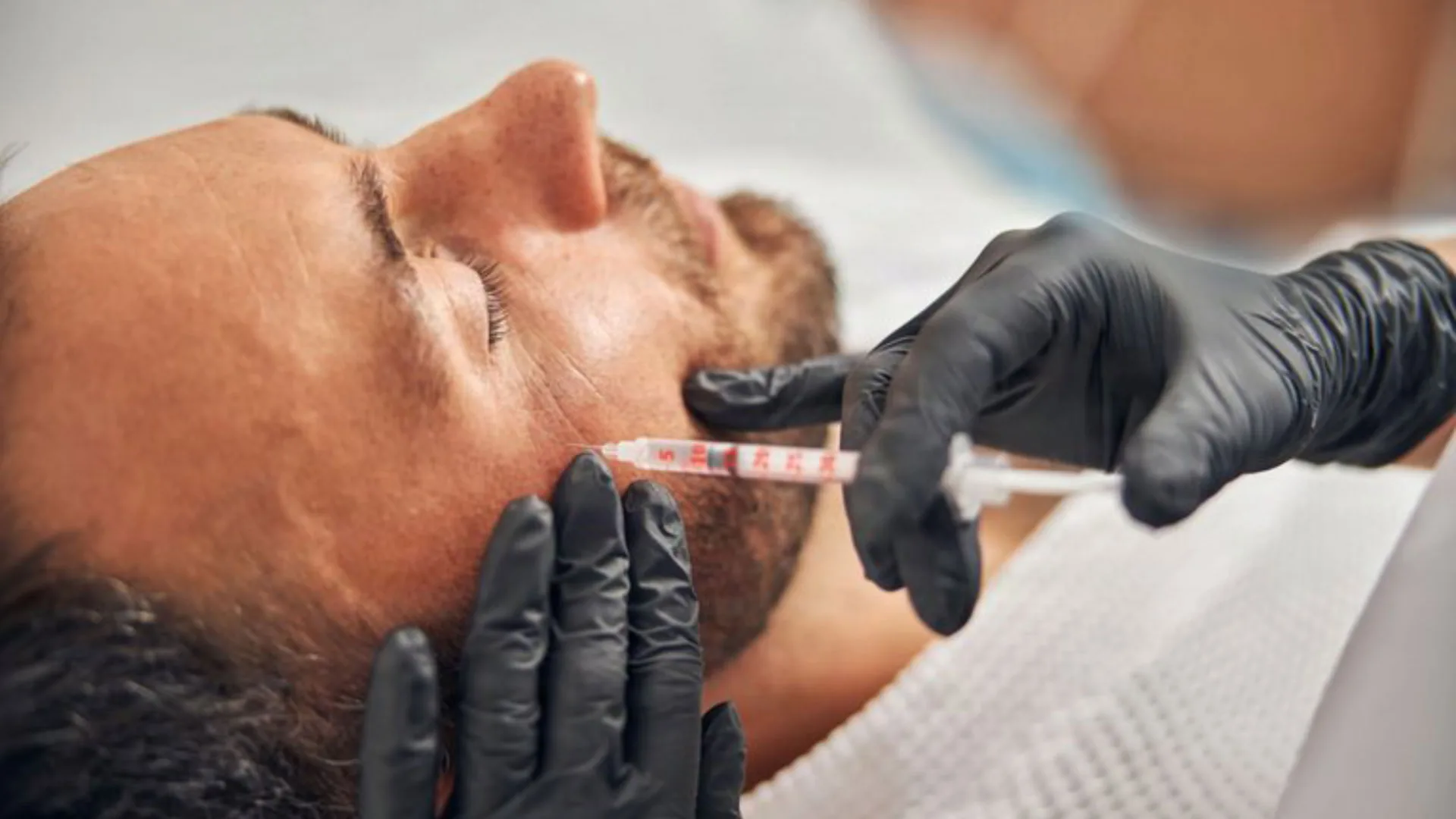
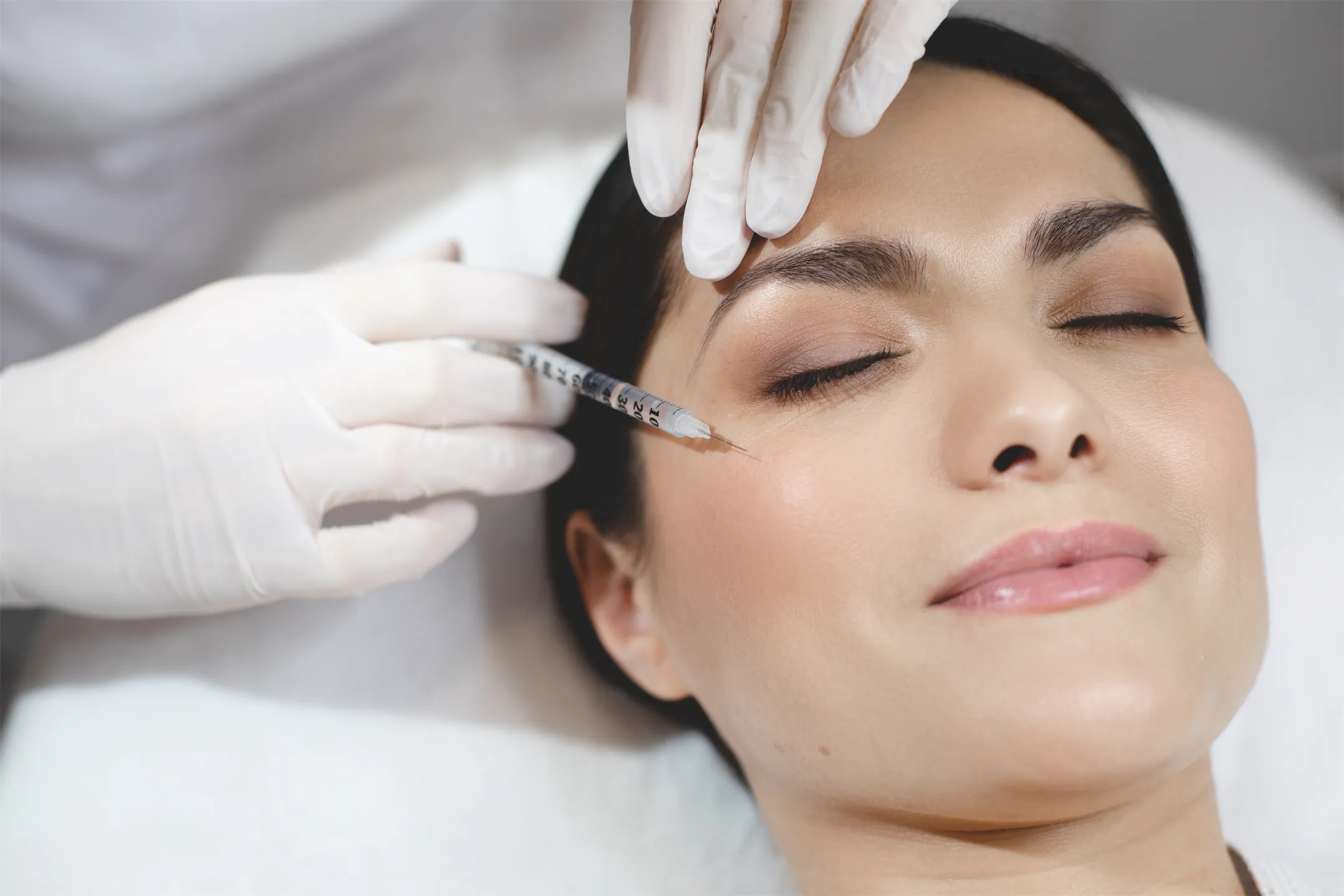
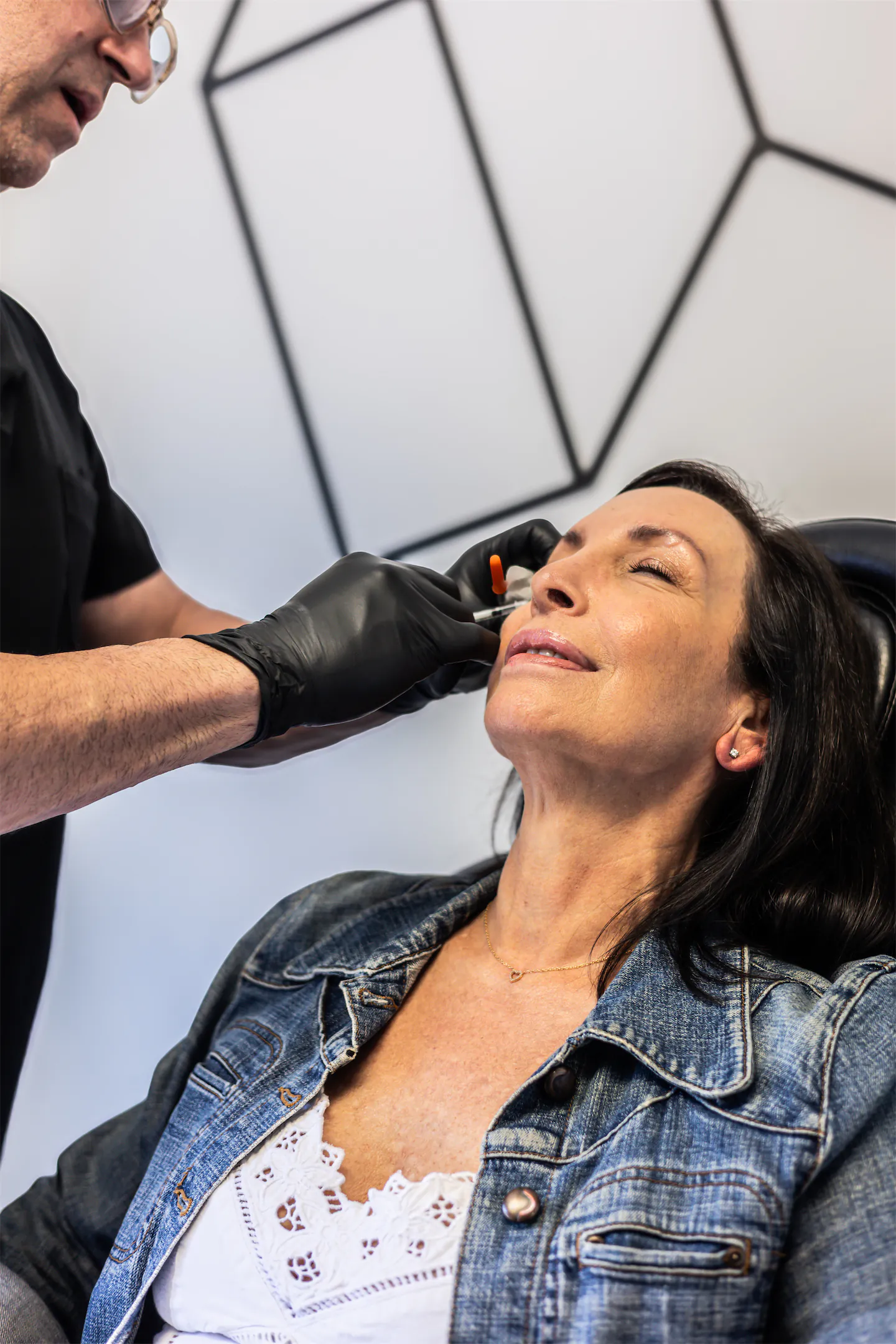
After cleansing your skin, Dr. Vallecillos places a series of small injections into the muscles between your brows. The process takes about 10 to 15 minutes, and you can head back to work or errands right away. For the rest of the day, avoid rubbing the area and skip strenuous workouts. Staying upright for about four hours also helps keep the product where it was placed.
Frequently Asked Questions
How is Dysport different from Botox?
How is Dysport different from Botox?
Dysport and Botox belong to the same family of botulinum toxin type A injectables, but they differ in accessory proteins, unit dosing and how they spread after injection. Results typically last a similar length of time. Some patients simply find that one suits their muscles or budget better than the other, and Dr. Vallecillos can help you compare.
How quickly does Dysport work?
How quickly does Dysport work?
Many patients notice softening within two to three days, and some see a change in as little as 24 hours. Full results typically settle in within about two weeks.
How long does Dysport last?
How long does Dysport last?
Results generally last three to four months, and some patients hold their results closer to five months. Treatments should be spaced at least three months apart.
Who is a good candidate for Dysport?
Who is a good candidate for Dysport?
Dysport is FDA-approved for adults younger than 65 with moderate to severe frown lines between the brows. It isn’t recommended during pregnancy or breastfeeding, or for people with a cow’s milk protein allergy or certain neuromuscular conditions.
Can Dysport treat forehead lines and crow’s feet?
Can Dysport treat forehead lines and crow’s feet?
Dysport’s FDA approval covers the frown lines between the brows. Experienced injectors sometimes use it in other areas, such as the forehead or around the eyes, as an off-label treatment. Dr. Vallecillos will discuss whether that approach makes sense for you.
What side effects can occur with Dysport?
What side effects can occur with Dysport?
The most common side effects are nasal and throat irritation, headache, and mild pain, redness or bruising at the injection sites. Less often, the eyelid or brow may droop temporarily. In rare cases, the toxin’s effects can spread beyond the treatment area. Contact the office or seek care right away if you have trouble swallowing, breathing or speaking after treatment.