
Otoplasty (Ear Surgery)
Subtle refinements to the ears can make a significant difference in your overall facial harmony. Otoplasty, also known as ear surgery, is designed to reshape, reposition or reduce the size of the ears for a more natural, proportionate appearance.
Board-certified plastic surgeon Dr. Glenn Vallecillos performs otoplasty with a precise, individualized approach, helping both adults and children achieve results that look balanced rather than “operated on.” Whether you are concerned about protruding ears, asymmetry or changes from injury, otoplasty offers a long-lasting solution.
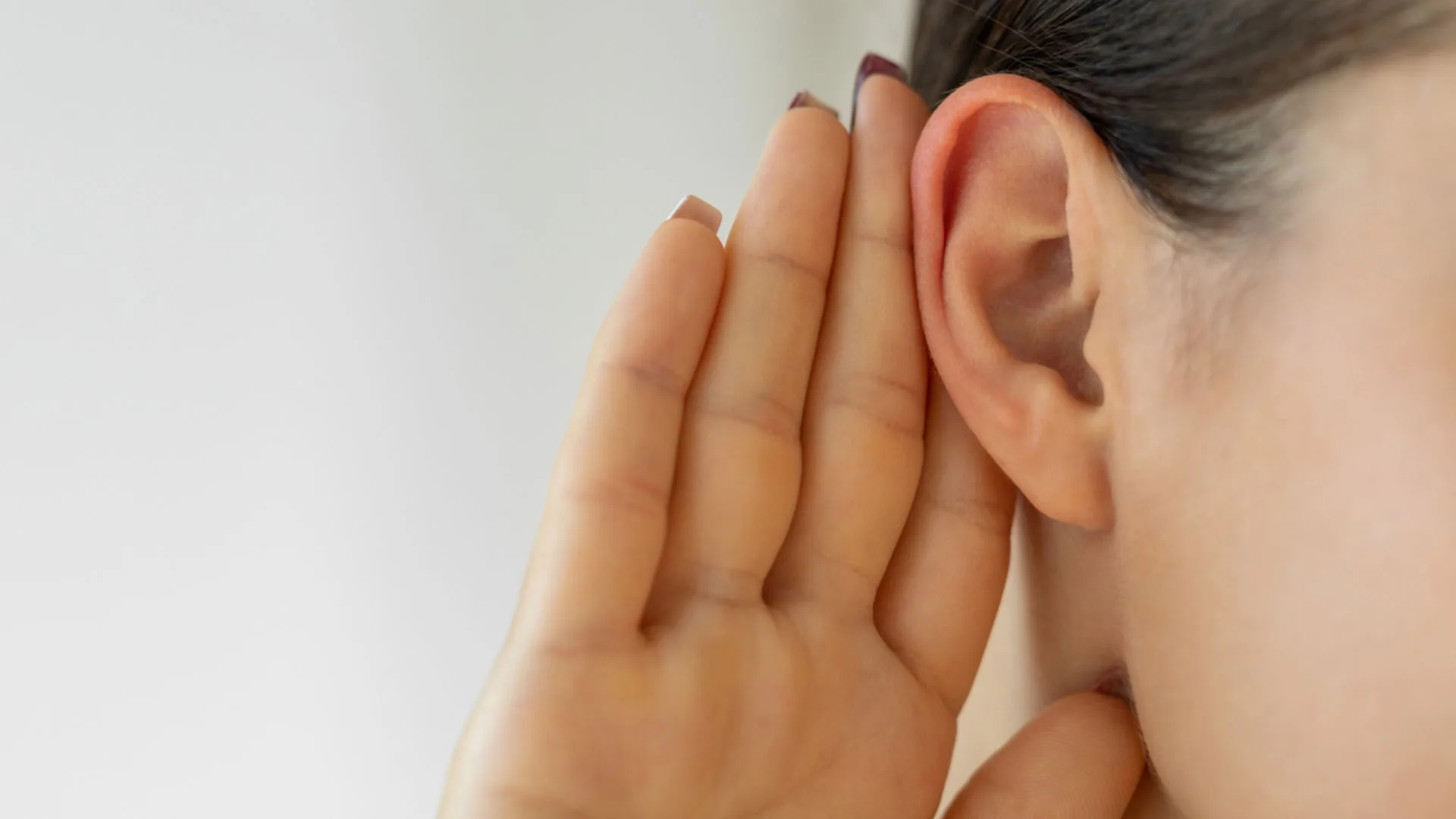

Why Do Ears Protrude or Appear Asymmetrical?
Ear shape and position are determined primarily by cartilage development. For some people, the natural folds of the ear do not fully form, causing the ears to project outward more than expected. In other cases, the conchal bowl (the central part of the ear) may be overly deep, causing the ear to protrude from the head.
These characteristics are often genetic and present from childhood, though asymmetry or changes in ear shape can also result from injury or previous procedures.
Prominent or asymmetrical ears are neither medically problematic nor a flaw. They are simply a variation in anatomy. Otoplasty works by adjusting that structure to create a more balanced relationship between the ears and the rest of the face.
What Is Otoplasty?
Otoplasty is a surgical procedure that improves the shape, position or proportion of the ears by modifying the underlying cartilage. Unlike temporary solutions or camouflage techniques, otoplasty addresses the structural cause of ear prominence or irregularity.
Depending on your needs, the procedure can:
- Reposition the ears closer to the head
- Reshape cartilage to create natural contours
- Reduce the size of overly large ears
- Improve symmetry between both ears
- Repair stretched or torn earlobes
The goal is not to create “perfect” ears, but to ensure they no longer draw attention away from your overall appearance.
How Otoplasty Works
Otoplasty is a highly controlled procedure that focuses on reshaping cartilage to achieve long-term structural improvement.
During surgery, Dr. Vallecillos may:
- Create or refine folds: Internal sutures are used to form or enhance the natural curves of the ear
- Reduce excess cartilage: When necessary, small portions of cartilage are removed to decrease size or projection
- Reposition the ear: The ear is gently set closer to the head at a natural angle
Because cartilage has memory, precision is essential. The techniques used are designed to create a stable, lasting result that maintains its shape over time without appearing overly tight or artificial.
How Do I Know if I Need Otoplasty?
Many patients have lived with ear concerns for years but have never explored treatment.
You may benefit from otoplasty if you:
- Feel your ears stick out more than you would like
- Notice asymmetry between your ears
- Avoid certain hairstyles that expose your ears
- Have experienced teasing or self-consciousness related to ear appearance
- Have ear changes from injury or prior surgery
For some, the motivation is subtle; simply wanting their ears to “blend in” rather than stand out. That alone is a valid reason to consider treatment.
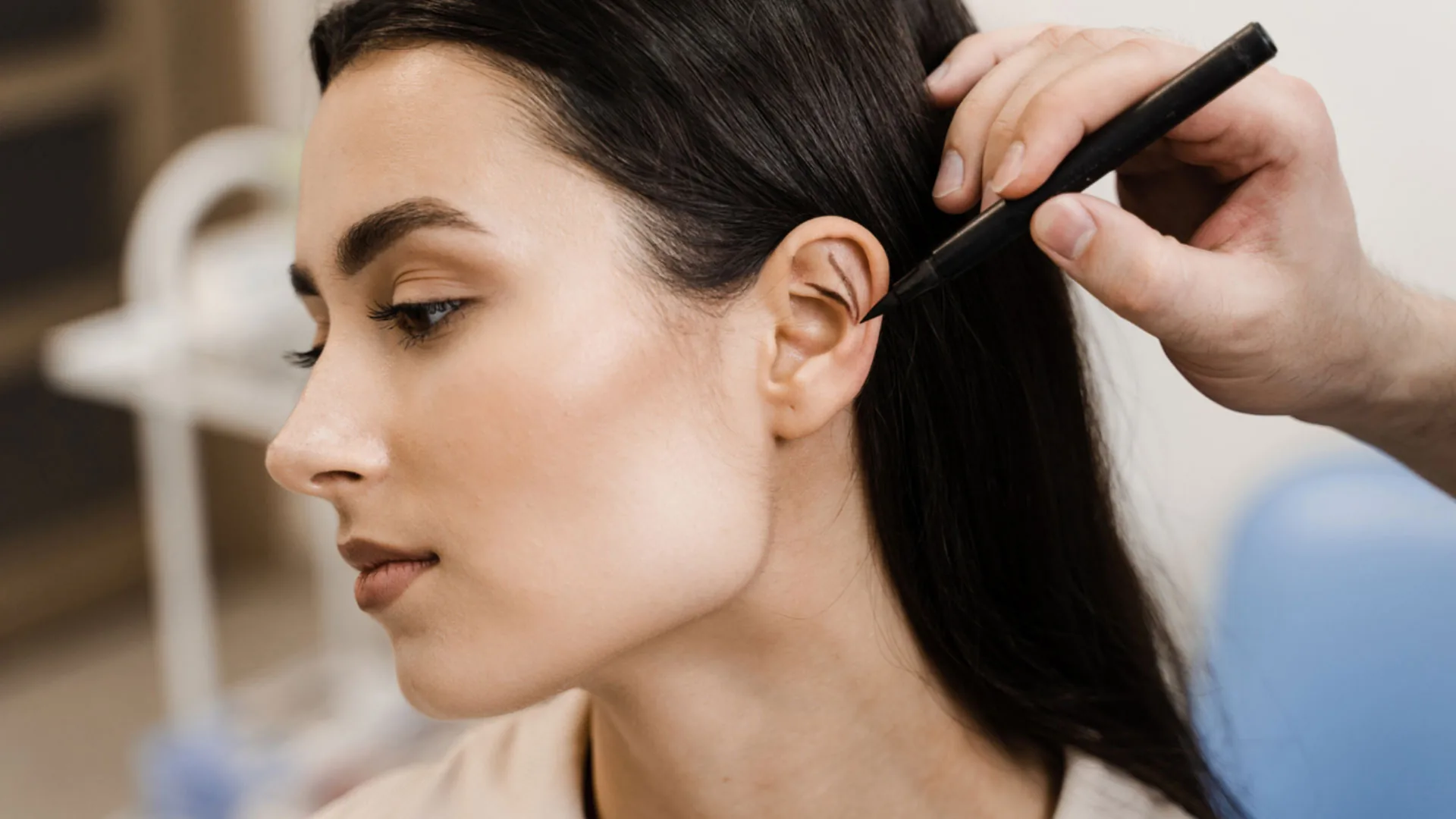
What Can Otoplasty Treat?
Otoplasty is a versatile procedure that addresses a range of structural concerns. Each concern requires a slightly different surgical approach, which is why customization is so important.
Prominent Ears
Ears that project outward due to underdeveloped folds or deep cartilage
Ear Asymmetry
Differences in position, size or shape between ears
Macrotia
Ears that appear disproportionately large
Congenital Deformities
Structural irregularities present from birth
Earlobe Concerns
Torn, stretched or elongated lobes
What Is the Treatment Process Like?
Consultation and Evaluation
Your journey begins with a detailed consultation. Dr. Vallecillos evaluates ear structure, cartilage strength, symmetry and overall facial proportions. This step is critical for designing a surgical plan that looks natural from every angle.
The Procedure
Otoplasty is typically performed as an outpatient procedure under local anesthesia with sedation or general anesthesia.
- Incisions are usually placed behind the ear, hidden within the natural crease
- Cartilage is reshaped, folded or reduced as needed
- The ear is repositioned and secured with internal sutures
- Incisions are closed with fine sutures to support clean healing
The procedure generally takes one to two hours.
Immediate Aftercare
A protective dressing or head wrap is applied to support the ears in their new position during the initial healing phase.
When Will I See Results?
Changes are noticeable immediately after surgery, though early swelling can soften definition.
Most patients experience:
- Visible improvement right after dressings are removed
- Continued refinement over several weeks
- Final results within one to three months
Because otoplasty corrects the underlying cartilage structure, results are long-lasting and do not require ongoing maintenance.
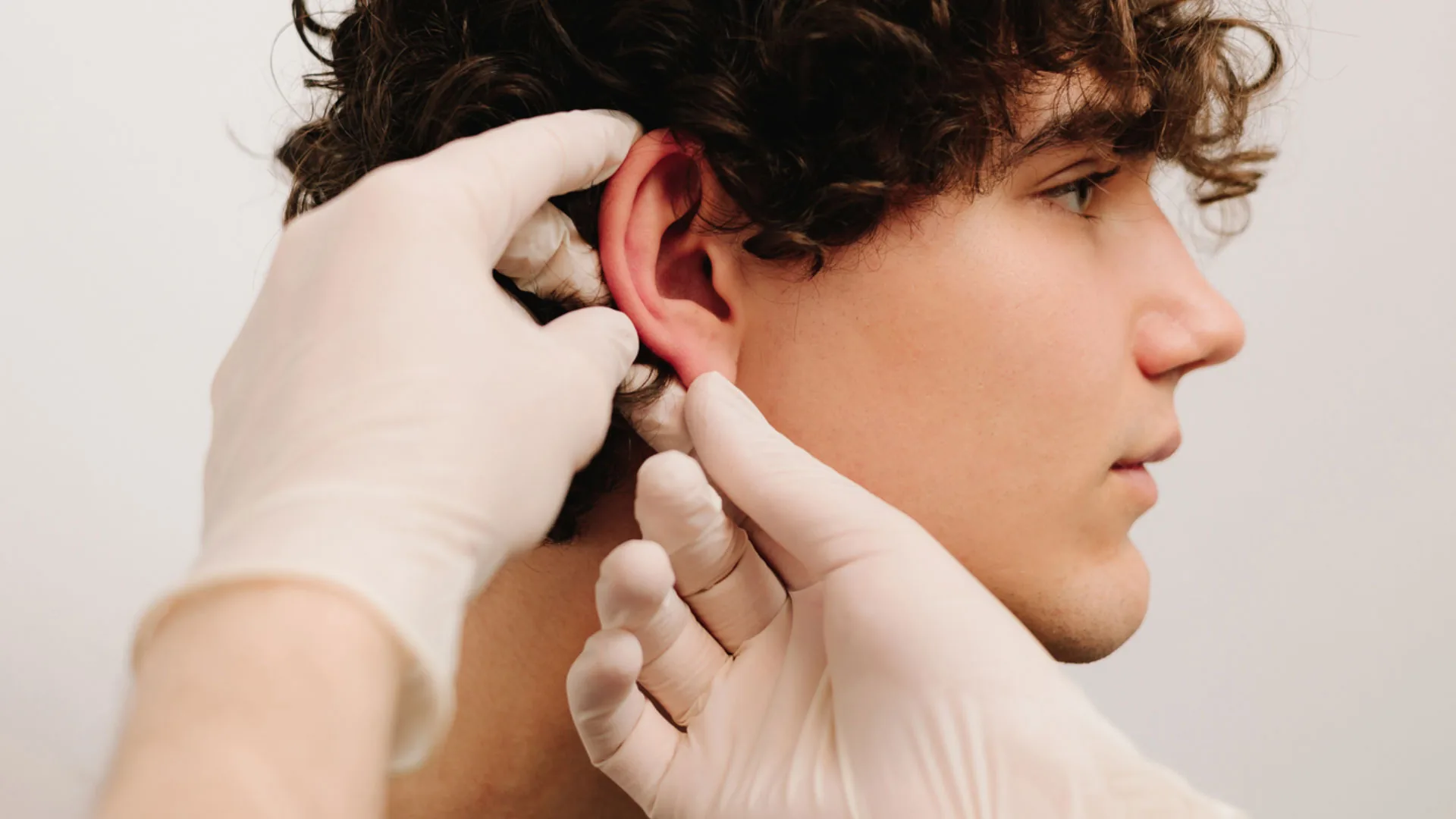
What About Recovery?
Recovery is typically smooth and manageable. Following post-operative instructions carefully plays a key role in achieving optimal results.
First Few Days
Mild discomfort, swelling and a feeling of tightness are normal. Keeping the head elevated helps reduce swelling.
First Week
Most patients return to work or school within 5 to 7 days. Dressings are removed or reduced.
Weeks 2 to 4
Swelling continues to improve. A soft headband may be recommended at night.
Months 1 to 3
Final contours settle, and scars begin to fade.

What About Risks and Side Effects?
Otoplasty is a well-established procedure with a strong safety profile.
Potential side effects include:
- Temporary swelling or bruising
- Mild asymmetry during healing
- Changes in skin sensation (usually temporary)
- Infection or delayed healing (rare)
- Need for revision (uncommon)
When performed by an experienced surgeon, complications are rare, and outcomes are highly predictable.
Frequently Asked Questions
How long do otoplasty results last?
How long do otoplasty results last?
Results are considered permanent. Once the cartilage is reshaped and fully healed, it maintains its new position long term. While natural aging continues, it does not reverse the structural improvements made during surgery.
Will there be visible scars?
Will there be visible scars?
Incisions are typically placed behind the ears, within the natural crease where the ear meets the head. With proper healing and aftercare, scars tend to fade significantly and are difficult to detect in everyday interactions.
Is otoplasty painful?
Is otoplasty painful?
Most patients describe the experience as mild discomfort rather than pain. You may feel tightness or soreness in the first few days, but this is temporary and can be managed with prescribed or over-the-counter medication.
How soon can I return to normal activities?
How soon can I return to normal activities?
Many patients return to work or school within 5 to 7 days. However, activities that put pressure on the ears or involve physical strain should be avoided for several weeks to protect the healing tissue.
Can otoplasty fix asymmetry?
Can otoplasty fix asymmetry?
Yes, otoplasty can significantly improve ear symmetry by adjusting position, shape or both. That said, perfect symmetry is not always the goal; the focus is on creating a natural, balanced appearance that fits your overall facial features.