
Facial Reconstruction Surgery
Facial reconstruction surgery restores form and function following trauma, disease or complications from a prior surgery. This type of work demands a surgeon who understands the underlying anatomy and is committed to the aesthetic result. Dr. Glenn Vallecillos has over two decades of experience in reconstructive work. While rebuilding the facial structure, he respects the natural harmony of each patient’s face for consistent and restorative results.
What Is Facial Reconstruction Surgery?
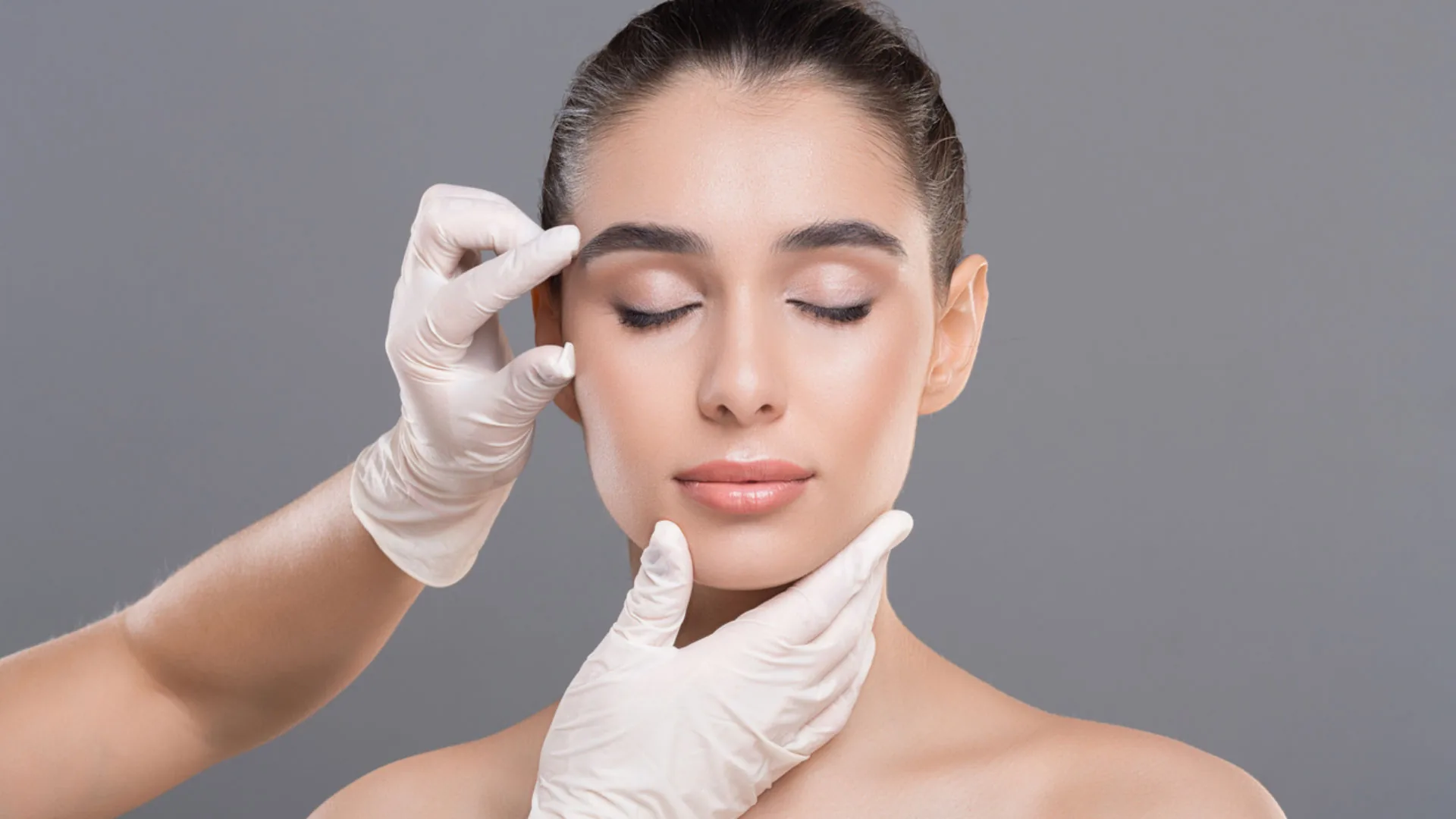
Facial reconstruction is a category of surgical procedures that restore the appearance and function of the face following trauma, cancer, surgical complications, or congenital differences.
Several techniques fall under this category, including:
Soft Tissue Reconstruction
Skin grafts and local or regional flaps to cover wounds, scars or excision sites.
Skeletal Reconstruction
Repair of facial fractures or bone loss using bone grafting or biocompatible implants.
Nasal Reconstruction
Rebuilding the interior and exterior nasal structure.
Scar Revision and Contracture Release
Correcting disfiguring scars from burns, lacerations or previous surgery.
Post-Oncologic Reconstruction
Restoring facial appearance after Mohs surgery or skin cancer excision.
Am I a Candidate for Facial Reconstruction Surgery?
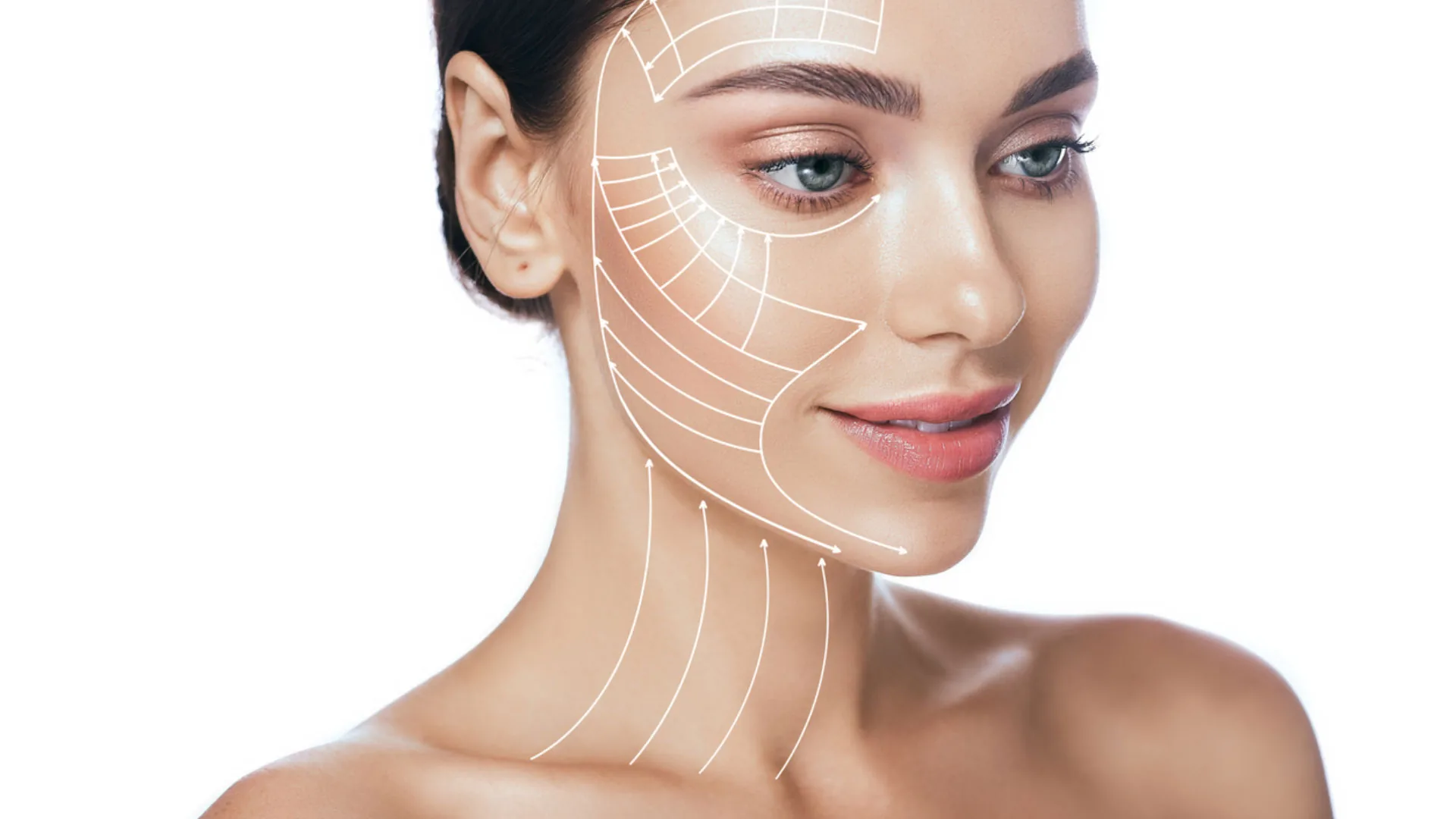
Your candidacy for facial reconstruction surgery will depend on the nature, cause and extent of the facial concern, along with your overall suitability for surgery.
Because every case is unique, a personal consultation with Dr. Vallecillos is the only way to determine whether facial reconstruction is right for you and what approach will deliver the best outcome. The factors Dr. Vallecillos will consider during your consultation include:
Wound and Infection Status
Any active infection or open wound must be fully resolved before surgery can be safely performed.
Immune Health
Autoimmune conditions or a compromised immune system can affect how the body heals and will factor into surgical planning.
Smoking
Patients are required to stop smoking at least two weeks before and after surgery, as nicotine directly impairs circulation and tissue healing.
Timing
For post-oncologic cases, reconstruction may be staged to ensure all cancer margins are clear before proceeding.
Overall Health
Underlying conditions, such as diabetes or cardiovascular disease, will be reviewed to ensure surgical risk is appropriately managed.
How Is Facial Reconstruction Surgery Customized for Each Patient?
Each facial reconstruction surgery is as unique as the patient we are treating. Some surgeries require more than one area to be treated at the same time, while others involve just one facial feature, such as the nose. With each surgery, the priority is to make the face as balanced as possible, so Dr. Vallecillos focuses on the facial features of each patient and how their size and shape will contribute to the final results.
Dr. Vallecillos can address reconstructive needs alongside cosmetic concerns. For example, during a functional rhinoplasty, he can restore a deviated septum while also addressing asymmetry. Every plan is built out in detail during a consultation in which your current health and concerns are discussed in detail.
What to Expect During Facial Reconstruction Surgery
Preparation
Discontinue blood thinners (aspirin, NSAIDs, fish oil, vitamin E) at least two weeks prior. If you are over 45, reach out to your primary doctor to obtain medical clearance for this type of surgery. Smokers should stop smoking at least two weeks in advance of the surgery. We recommend that everyone set up a recovery space at home before the day of surgery to make healing easier.
Anesthesia
Most procedures are performed under general anesthesia. Limited soft tissue work may be possible under local anesthesia with sedation.
The Procedure
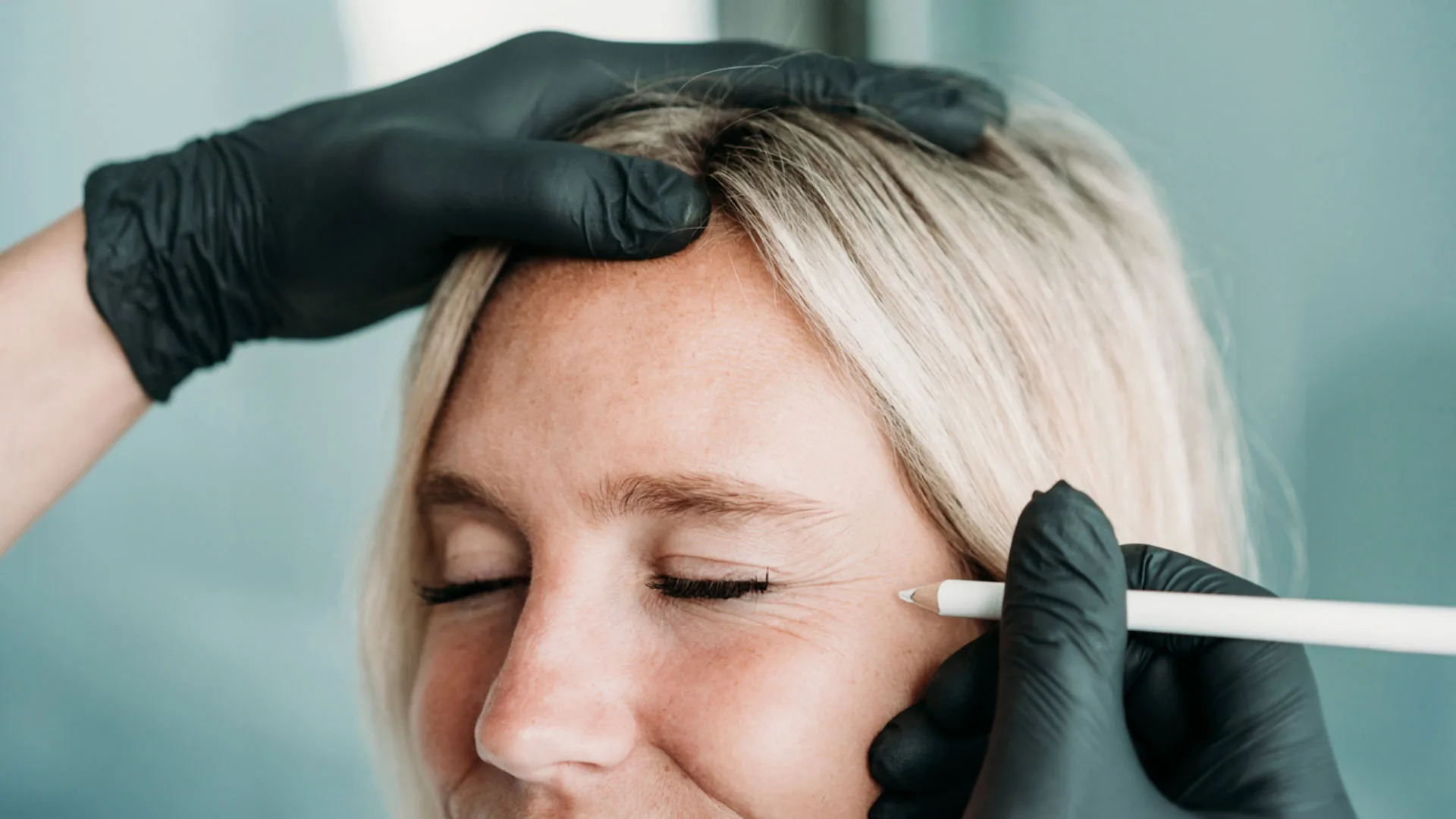
The approach varies by indication. Soft tissue defects may be addressed with local flaps or grafts harvested from the post-auricular area, scalp or neck. Skeletal reconstruction involves bone grafts or biocompatible implants. Nasal reconstruction typically uses cartilage grafts from the ear or rib. Incisions are placed within natural facial contours or the hairline.
Closure
Incisions are closed in layers with fine sutures. Drains, splints or bolster dressings may be applied to help you heal.
Recovery and Aftercare
Facial reconstruction surgery will involve several weeks of active healing and rest, a process that requires cooperation between the patient and surgeon. Dr. Vallecillos will supply you with detailed aftercare instructions to help you care for incisions and manage swelling and pain.
As you heal, your focus should be on rest and protecting the surgical area from UV exposure. You can reach out to our office any time you have questions about the healing process.
Days 1 to 5
Swelling, bruising and tightness are more pronounced during the first few days. Limit swelling by keeping your head elevated even while you sleep.
Weeks 1 to 2
Non-dissolvable sutures are removed between days 5 and 10. Most patients resume light activity, and grafts are assessed for viability.
Weeks 3 to 6
Swelling continues to resolve, and scar tissue begins maturing. Non-strenuous activity can usually be resumed at this time.
Months 2 to 6+
Final results emerge as scar remodeling progresses. Full scar maturation can take 12 months or longer.
Related Procedures
Second Level Heading
How is facial reconstruction different from cosmetic facial surgery?
How is facial reconstruction different from cosmetic facial surgery?
Cosmetic surgery refines existing features for reasons of appearance. Facial reconstruction restores structure or function lost to trauma, disease or prior surgery. The two often overlap, and Dr. Vallecillos applies aesthetic sensibility to reconstructive cases because facial work is never purely structural.
How long do results from facial reconstruction last?
How long do results from facial reconstruction last?
The structural changes made through grafts, flaps and implants are intended to be permanent. Normal aging, such as collagen loss, will still continue.
Will insurance cover facial reconstruction surgery?
Will insurance cover facial reconstruction surgery?
Coverage varies by insurer and depends on whether the procedure addresses a documented medical need, such as trauma or cancer reconstruction. You should verify coverage directly with your provider.
How much does facial reconstruction surgery cost?
How much does facial reconstruction surgery cost?
Cost depends on the type of surgery you are having, insurance coverage, the scope of the surgery, the type of anesthesia needed and more. You can get a more accurate quote by scheduling a consultation.