Vaginoplasty
Childbirth, hormonal shifts and the passage of time can change how your body feels, and few of those changes are as personal as vaginal laxity. Beverly Hills plastic surgeon Dr. Glenn Vallecillos performs vaginoplasty to tighten the vaginal canal, restore strength to the underlying muscles and refine the vaginal opening so you can feel comfortable and confident again. With more than two decades of surgical experience and a reputation for natural, carefully balanced results, Dr. Vallecillos brings discretion and precision to one of the most personal procedures a woman can choose.

What Is Vaginoplasty?
Vaginoplasty is a surgical procedure that tightens the vaginal canal by repairing stretched or separated vaginal muscles and removing excess lining tissue. The vaginal opening and nearby skin can also be refined during the same operation. Most women who choose vaginoplasty do so after vaginal delivery, when muscles and tissues stretched during childbirth don’t fully return to their former shape.
You may also hear this procedure called vaginal tightening surgery or surgical vaginal rejuvenation. Nonsurgical radiofrequency treatments can improve mild laxity, but vaginoplasty physically rebuilds the structure of the canal, which makes it the more effective choice for moderate to significant looseness.
Dr. Vallecillos’ Philosophy on Vaginoplasty
Many of the women I meet have lived with these symptoms quietly for years before mentioning them to anyone. My first priority is making that conversation feel easy and judgment-free. Vaginal changes after childbirth are incredibly common, and wanting to feel like yourself again is a completely reasonable goal. When I plan a vaginoplasty, I focus on restoring comfort and function first, then on creating a result that looks and feels natural to you. No two patients have the same anatomy or the same concerns, so I take the time to understand exactly what’s bothering you before recommending anything.
Why Women Choose Vaginoplasty
Some patients come in because of a physical symptom they notice every day. Others feel a more general sense that something has changed. Whatever brings you in, vaginoplasty can address several concerns at once.
Restored Tightness and Muscle Tone
During pregnancy and delivery, the muscles surrounding the vaginal canal stretch considerably and sometimes separate. Vaginoplasty brings those muscles back together and removes redundant lining, narrowing the canal and restoring a firmer, more supported feel.
Greater Comfort in Daily Life
Laxity can show up in surprisingly ordinary moments. Tampons that won’t stay in place, a feeling of heaviness or looseness during exercise and air or water entering the vagina are all common complaints. Tightening the canal often resolves these nagging issues.
Improved Intimacy
Many women report increased sensation and satisfaction during intercourse after vaginoplasty, and partners frequently notice a difference as well. Keep in mind that vaginoplasty addresses physical laxity; it isn’t designed to treat low libido or difficulty reaching orgasm, which typically have other causes.
Renewed Self-Confidence
Feeling disconnected from your own body can affect your relationships and your sense of self. For many patients, the most meaningful result of vaginoplasty is simply feeling at home in their body again.
Which Option Fits You?
Dr. Vallecillos offers surgical and nonsurgical solutions for vaginal laxity, and the right choice depends largely on the degree of change you’re experiencing. Votiva vaginal rejuvenation uses radiofrequency energy to heat the vaginal tissues and stimulate collagen, which can improve mild laxity, dryness and minor urinary leakage with no downtime.
When muscles have separated or tissue has stretched significantly, energy-based treatments can’t rebuild what’s been lost. Vaginoplasty physically repairs the muscle and removes excess tissue, producing a more substantial and longer-lasting change. Some patients choose Votiva first and move to surgery later if needed, while others benefit from combining the two. During your consultation, Dr. Vallecillos will help you determine which approach fits your anatomy and goals.
Are You a Good Candidate for Vaginoplasty?
You may be an ideal candidate for vaginoplasty if the following statements describe you:
- You’ve noticed vaginal looseness or reduced sensation after one or more vaginal deliveries or with age.
- Laxity affects your comfort, your intimate life or your confidence.
- You’ve finished having children, or you’re comfortable waiting until you have, since a future vaginal delivery can stretch the tissues again.
- You’re in good overall health and don’t smoke, or you’re willing to quit before and after surgery.
- You have realistic expectations about what surgery can and can’t change.
If your primary concern is urinary leakage or a sensation of pressure or bulging, you may have a pelvic floor condition such as prolapse that calls for evaluation by a urogynecologist. Dr. Vallecillos will discuss your symptoms openly and point you toward the most appropriate care.
What to Expect During Your Consultation
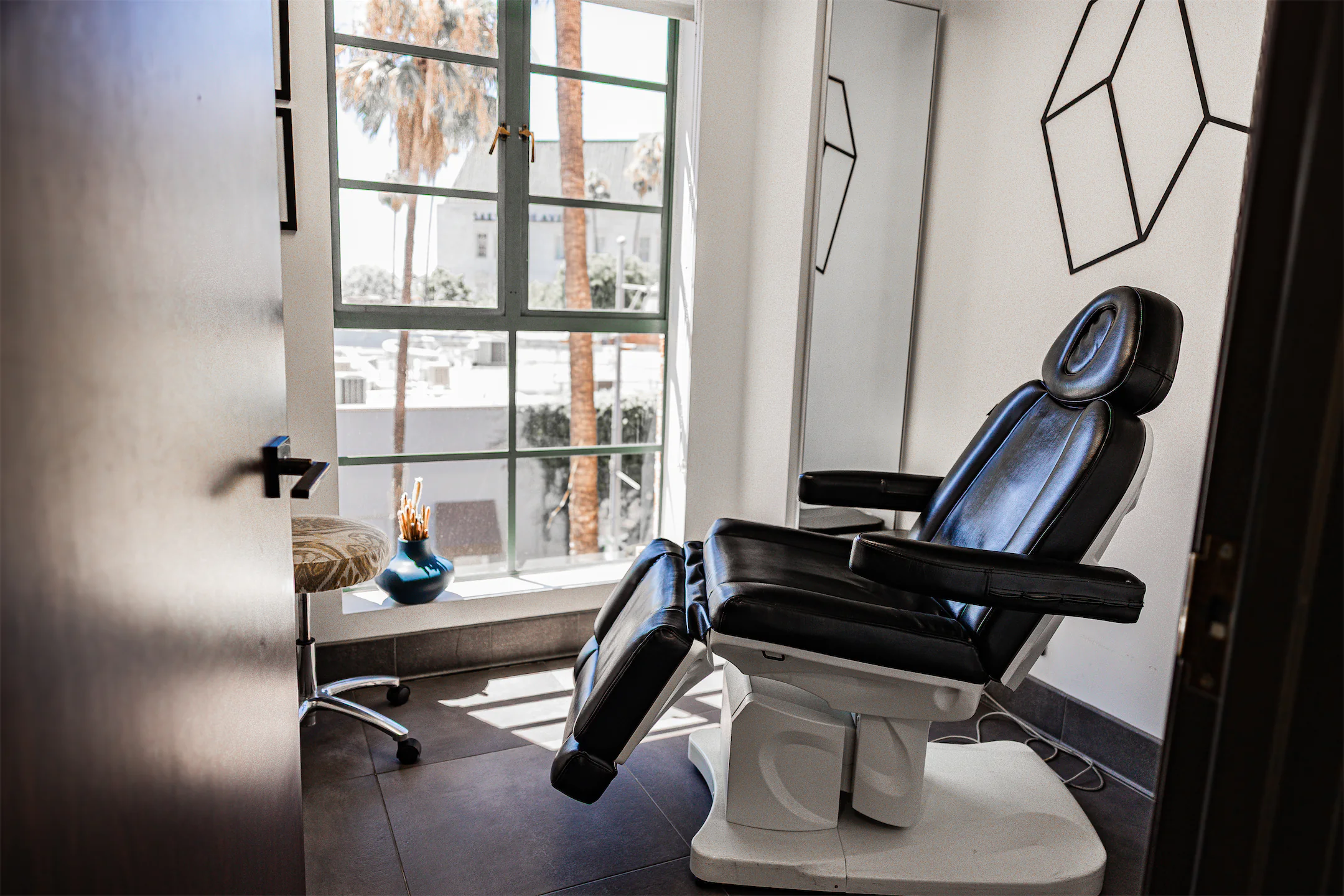
Your vaginoplasty consultation takes place in a private, relaxed setting, complete with a VIP waiting area and a complimentary beverage menu. Dr. Vallecillos begins by reviewing your medical history, including past pregnancies and deliveries, any prior pelvic surgeries and the symptoms you’ve noticed.
A gentle physical exam allows him to assess muscle tone, tissue laxity and the condition of the vaginal opening. He’ll then walk you through your options using educational videos and interactive software, explaining what vaginoplasty involves and what kind of results you can reasonably expect. Before you leave, our surgical consultant will review your procedure plan, scheduling and financing options so you have a clear picture of every detail.

How to Prepare for Vaginoplasty
Preparation helps your body heal efficiently and lowers your risk of complications. Dr. Vallecillos will give you detailed preoperative instructions, which typically include:
- Stopping smoking, vaping and all nicotine products at least four weeks before surgery, since nicotine restricts blood flow and slows healing
- Pausing aspirin, ibuprofen, blood thinners and certain supplements as directed to reduce bleeding risk
- Avoiding alcohol for at least 24 hours before your procedure
- Arranging for a trusted adult to drive you home and stay with you the first night
- Stocking up on loose cotton underwear, sanitary pads and cold packs before surgery day
Depending on your health history, you may also need lab work or medical clearance from your primary care physician.
A Walk-Through
Anesthesia
Vaginoplasty is usually performed under general anesthesia, though some patients are candidates for local anesthesia with sedation. Dr. Vallecillos will recommend the option that best suits your health and the extent of your procedure.
Tightening the Vaginal Canal
Dr. Vallecillos first marks the excess tissue to be removed, then makes an incision along the back wall of the vagina. He carefully separates the vaginal lining from the muscle beneath it and brings the stretched muscles together with sutures, much like the muscle repair performed during a tummy tuck. Excess lining is then trimmed away, narrowing the diameter of the canal.
Refining the Opening
If the vaginal opening has widened or the surrounding skin has stretched, Dr. Vallecillos can tighten and reshape this area as well. All incisions are closed with dissolvable sutures, so there’s nothing to remove later. Most procedures take one to two hours, and patients typically go home the same day.
Combining Vaginoplasty With Other Procedures
Because childbirth often affects more than one area, many patients pair vaginoplasty with complementary treatments to address their concerns during a single recovery period.
Labiaplasty
Labiaplasty reshapes or reduces the labia minora or labia majora, relieving the chafing and discomfort that enlarged or uneven labia can cause. Combining labiaplasty with vaginoplasty addresses internal laxity and external contour together.
Clitoral Hood Reduction and Perineoplasty
A clitoral hood reduction trims excess skin around the clitoris for a more proportionate contour, while perineoplasty repairs the area between the vaginal opening and anus that is often affected by tearing or episiotomy during delivery.
Mommy Makeover
Vaginoplasty fits naturally into a mommy makeover, which may also include a tummy tuck, breast lift, breast augmentation or liposuction. Dr. Vallecillos will help you decide which procedures to combine and whether staging them makes more sense for your recovery.
Vaginoplasty Recovery and Aftercare
Recovery from vaginoplasty is generally manageable, and most women are surprised by how quickly they feel like themselves again. Every patient heals at her own pace, so treat the timeline below as a general guide.
The First Week
Expect swelling, mild to moderate soreness and some light spotting or discharge for the first several days. Prescription or over-the-counter pain medication usually keeps discomfort under control. You should be up and walking the day after surgery, and gentle movement helps circulation.
Weeks Two to Six
Swelling and bruising steadily fade over the first two weeks, and many patients return to desk work within one to two weeks. Your sutures will dissolve on their own during this period. Hold off on strenuous exercise, heavy lifting and activities that put pressure on the area, such as cycling, until Dr. Vallecillos clears you.
Eight Weeks and Beyond
Most patients can resume intercourse and tampon use at about eight weeks, once healing is complete. Your results will continue to settle over the following months as residual swelling resolves.
Aftercare Essentials
Dr. Vallecillos will provide personalized aftercare instructions, which commonly include:
- Applying cold packs during the first 48 to 72 hours to reduce swelling
- Taking sitz baths or rinsing gently with warm water to keep the area clean
- Wearing loose clothing and breathable cotton underwear
- Avoiding baths, hot tubs and swimming pools until your incisions have healed
- Attending all follow-up appointments so your progress can be monitored

Understanding the Risks of Vaginoplasty
Like any surgery, vaginoplasty carries some risks. General surgical risks include bleeding, infection, adverse reactions to anesthesia and blood clots. Procedure-specific risks include changes in sensation, discomfort during intercourse, scar tissue formation, overtightening or undertightening and, rarely, an abnormal connection between the vagina and nearby organs that would require additional surgery.
The vaginal area has an excellent blood supply and tends to heal well, and serious complications are uncommon in healthy patients. Choosing a board-certified plastic surgeon with extensive experience, following your preoperative and postoperative instructions and sharing your full medical history during your consultation all help lower your risk.
How Much Does Vaginoplasty Cost?
The cost of vaginoplasty depends on the complexity of your procedure, the type of anesthesia used, facility fees and whether you combine it with other treatments such as labiaplasty. You’ll receive a detailed, personalized quote after your consultation.
Because aesthetic vaginoplasty is considered elective, health insurance generally doesn’t cover it. In certain cases involving documented medical problems, partial coverage may be possible with preauthorization. Our office offers financing options to help make your procedure more accessible.
Frequently Asked Questions
How long do vaginoplasty results last?
How long do vaginoplasty results last?
Vaginoplasty results are long-lasting because the procedure physically repairs muscle and removes excess tissue. Natural aging and future vaginal deliveries can affect your results over time, which is why many women wait until they’ve finished having children.
Is vaginoplasty painful?
Is vaginoplasty painful?
You won’t feel pain during surgery thanks to anesthesia. Afterward, most patients describe mild to moderate soreness and swelling during the first week, which pain medication and cold packs can effectively manage.
When can I have sex after vaginoplasty?
When can I have sex after vaginoplasty?
Most patients can safely resume intercourse at about eight weeks after surgery. Dr. Vallecillos will confirm when your tissues have healed enough during a follow-up visit.
Will vaginoplasty leave visible scars?
Will vaginoplasty leave visible scars?
Nearly all incisions are placed inside the vaginal canal, so they aren’t visible. Any external incisions at the vaginal opening typically heal into fine lines that are very difficult to detect.
Can I have a baby after vaginoplasty?
Can I have a baby after vaginoplasty?
Yes, pregnancy is possible after vaginoplasty. However, a vaginal delivery may stretch the tissues again and reverse some of your results, so your obstetrician may discuss delivery options with you.
What’s the difference between vaginoplasty and labiaplasty?
What’s the difference between vaginoplasty and labiaplasty?
Vaginoplasty tightens the internal vaginal canal and muscles, while labiaplasty reshapes the external labia. The two procedures address different concerns and are frequently performed together.