
AlloClae™

Advanced Biological Soft-Tissue Restoration in Beverly Hills
"Reconstructive plastic surgery isn't simply about filling a space—it's about restoring symmetry, biological harmony, and a natural sense of self without inflicting unnecessary surgical trauma elsewhere on the body." – Dr. Glenn Vallecillos
Whether addressing post-surgical irregularities, traumatic scars, age-related volume loss, or congenital asymmetry, structural soft-tissue loss presents a unique medical and aesthetic challenge for both men and women. Historically, correcting these deep tissue defects required harvesting the patient's own fat via liposuction or relying on synthetic gels that often lack structural longevity.
AlloClae™ Adipose Allograft represents a paradigm shift in regenerative and reconstructive medicine. By utilizing a processed, matrix-rich human adipose scaffold, Dr. Glenn Vallecillos, M.D., F.A.C.S. can precisely reconstruct volume, smooth contour deformities, and repair deep tissue defects—without requiring a secondary liposuction harvest site.


How Does AlloClae™ Work?
AlloClae™ is a donor-derived human adipose matrix processed using state-of-the-art bioengineering to eliminate cellular components, oils, and antigens while preserving the natural 3D extracellular matrix (ECM) and collagen framework. When injected into deficient tissue planes:
- Immediate Scaffold Support: It provides an instant biological matrix that restores structural mass and volume.
- Cellular Infiltration: Over time, host cells migrate into the matrix scaffold (neovascularization), integrating it into your surrounding native tissue.
- Biological Consistency: The resulting tissue feels soft, natural, and biologically identical to natural subcutaneous fat.
Reconstructive & Restorative Applications
For women, soft-tissue volume loss and tissue irregularities can stem from prior surgeries, childbirth, trauma, or natural aging. AlloClae™ provides a versatile, non-surgical tool for comprehensive restoration:
- Breast Reconstruction & Implant Refinement: Perfect for softening visible implant edges, filling superior pole hollows, or correcting subtle rippling, asymmetry, and contour divots after breast reconstruction or augmentation.
- Post-Surgical & Liposuction Defect Correction: Smooths out stubborn post-liposuction dimpling, surgical shelf deformities, and tethered abdominal scars.
- Scar Revision: Fills deep traumatic scars, acne depressions, temporal hollows, and severe mid-face tissue atrophy where standard hyaluronic acid fillers are insufficient or short-lived.
- Female Intimate Rejuvenation: Restores soft, natural volume and cushion to the labia majora, correcting tissue atrophy due to age, weight loss, or childbirth.
Reconstructive & Restorative Applications
For men, maintaining a firm, masculine structure while repairing post-traumatic or post-surgical defects demands precision and structural integrity:
- Penile Girth Enhancement & Intimate Restoration: Restores and expands girth along the penile shaft naturally without the need for liposuction or synthetic gels.
- Chest & Pectoral Symmetry: Corrects asymmetries, post-gynecomastia revision hollows, or localized tissue loss following chest trauma or surgery.
- Traumatic & Post-Operative Defect Repair: Softens deep-tissue indentations and structural divots across the abdomen, flanks, or back.
- Structural Facial Masculinization: Reconstructs volume loss along the jawline, chin, and temples, providing strong, masculine structural support that integrates seamlessly.

How Does AlloClae™ Compare to Other Options?
Feature / Benefit | AlloClae™ Adipose Allograft | Autologous Fat Transfer | Synthetic HA Fillers |
Donor Harvest Site (Liposuction) | None | Required | None |
Recovery Downtime | Minimal (1–2 days) | Moderate (1–2 weeks) | None to Minimal |
Tactile Natural Feel | 100% Natural Tissue | 100% Natural Tissue | Gel-like / Synthetic |
Ideal for Lean Patients | Yes | No (Requires donor fat) | Yes |
Biological Integration | Yes (Host Cell Scaffold) | Yes | No |
Risk of Donor Site Complications | Zero | Soreness, Bruising, Seroma | N/A |
Who Is a Candidate for AlloClae™?
AlloClae is well-suited to a wide range of patients, partially because it bypasses the need for adequate donor fat. Patients who have been told they are too lean for autologous fat grafting, or who want to avoid the recovery and potential complications associated with a secondary harvest site, often find AlloClae to be the more practical and clinically appropriate solution.
Good candidates tend to share a few common characteristics:
- They have a defined area of volume loss, tissue depression or structural irregularity that has not responded to surface-level treatments.
- They are in good overall health without active infections, uncontrolled chronic conditions or a documented history of adverse reactions to biological or allograft materials.
- They have clear, realistic expectations about what AlloClae can and cannot achieve on its own, and are open to a combined approach if their presentation calls for one.
Patients with active skin infections at or near the intended treatment site, certain autoimmune disorders or conditions that may impair tissue integration should discuss those factors thoroughly with Dr. Vallecillos before moving forward. None of these factors are automatic disqualifiers, but they require careful evaluation to confirm that the biological integration process can proceed safely and effectively.

What to Expect During Your AlloClae™ Treatment
The Consultation & Blueprint
Dr. Vallecillos conducts a thorough structural evaluation, assessing tissue elasticity, vascularity, and defect depth to formulate a customized biological reconstruction strategy.
The Procedure
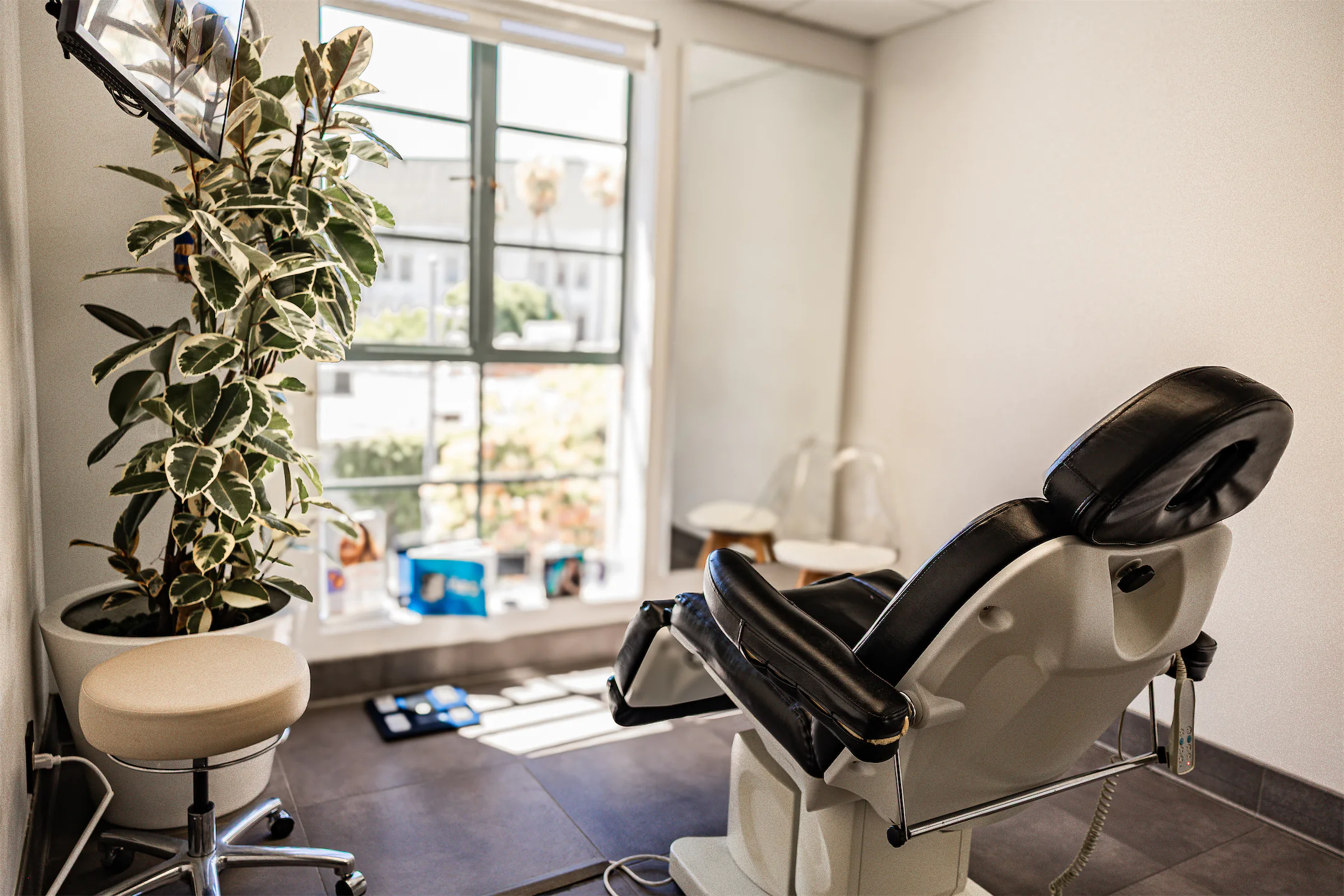
Performed in our state-of-the-art Beverly Hills procedure suite under local anesthesia:
- The target area is numbed completely for maximal comfort.
- Dr. Vallecillos utilizes specialized, blunt-tipped micro-cannulas to place AlloClae™ into the exact anatomical plane.
- The material is meticulously sculpted and layered to blend seamlessly with surrounding natural contours.

Recovery After AlloClae™
Because there is no donor-site wound or surgical liposuction trauma, recovery is simple and short-lived. Patients typically resume daily routines within 24 to 48 hours. Temporary mild swelling or minor tenderness subsides quickly as your body begins populating the matrix scaffold with native cells.
Dr. Vallecillos will provide personalized aftercare instructions based on your treatment site and the scope of the procedure. As a general framework, most AlloClae patients are advised to:
- Avoid applying direct pressure or manually manipulating the treated area for at least one to two weeks. The scaffold requires time to stabilize before host cell integration can progress without disruption.
- Refrain from strenuous exercise and high-impact physical activity for 48 to 72 hours following the procedure.
- Keep treated areas dry and avoid submerging them in pools, hot tubs or open water for at least one week, or until Dr. Vallecillos has cleared you to do so.
- If any treated area may be exposed to sun, apply a broad-spectrum SPF daily and limit prolonged direct sun exposure during the initial healing period.
- Avoid alcohol and smoking in the days surrounding your treatment, as these can impair circulation and slow the tissue integration process.
Can AlloClae™ Be Combined With Other Procedures?
Yes, and in many cases, a combined approach delivers more well-rounded results than AlloClae alone could achieve. Volume loss, skin laxity and surface irregularities often show up together, and each concern calls for its own targeted solution. AlloClae addresses structural volume and tissue defects; complementary procedures handle what falls outside that scope.
Why Choose Dr. Vallecillos for AlloClae™?
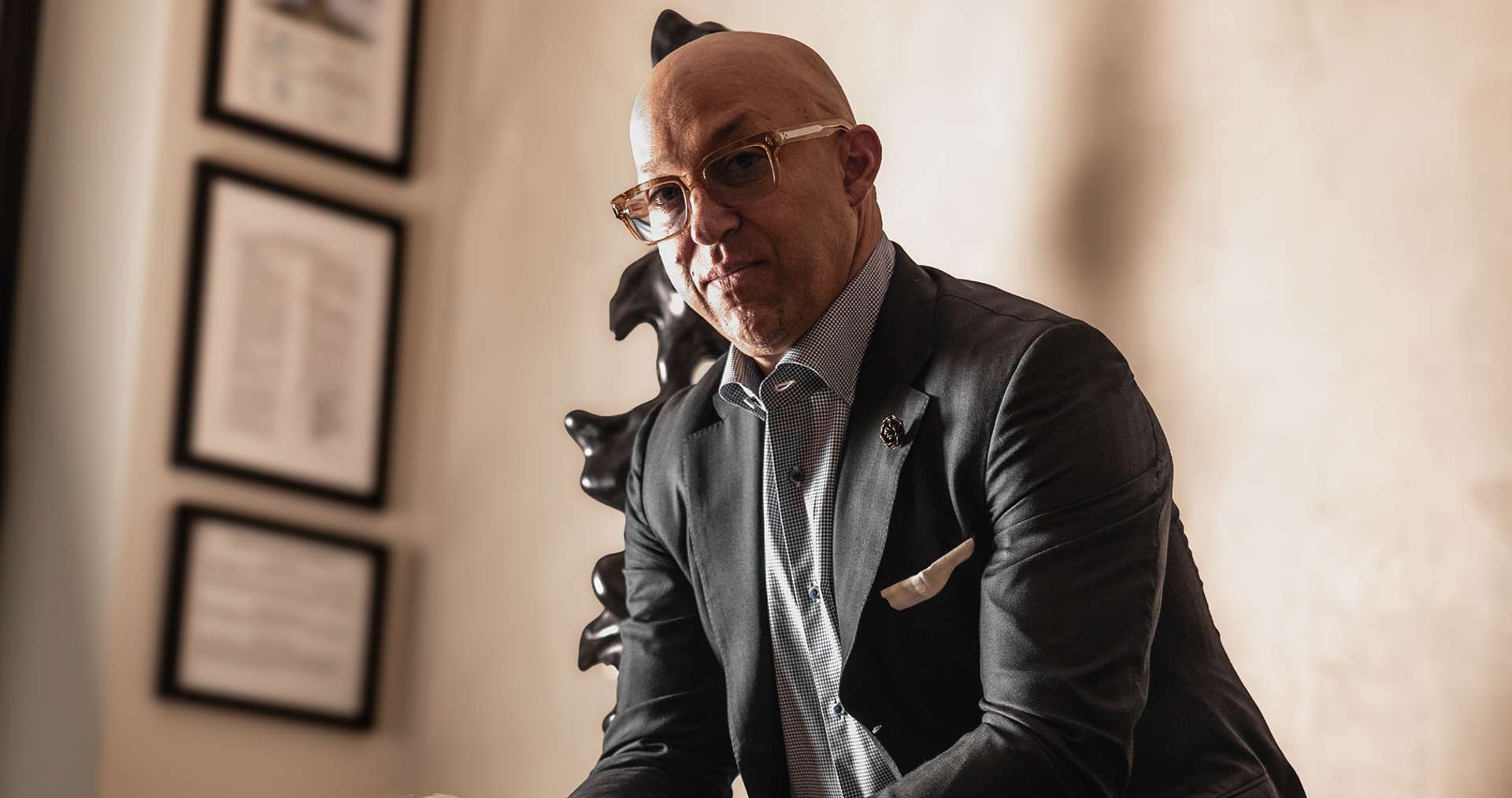
As a board-certified plastic surgeon and Fellow of the American College of Surgeons (FACS), Dr. Glenn Vallecillos brings decades of reconstructive mastery, scientific precision, and artistic vision to soft-tissue restoration. Recognized for his pioneering work in advanced tissue modification, Dr. Vallecillos ensures that every reconstruction—whether subtle or extensive—is performed with the highest standards of safety, discretion, and anatomical elegance.
Frequently Asked Questions
How long do AlloClae™ results last?
How long do AlloClae™ results last?
AlloClae is designed for structural integration rather than temporary volume replacement. Because the extracellular matrix scaffold is gradually colonized by your body’s own cells, the treated area eventually becomes part of your surrounding native tissue. This makes AlloClae considerably more durable than standard hyaluronic acid fillers. Dr. Vallecillos will set specific expectations for your case during the consultation.
How is AlloClae™ different from a standard dermal filler?
How is AlloClae™ different from a standard dermal filler?
Standard hyaluronic acid fillers are synthetic gel products that temporarily fill space without integrating with surrounding tissue. They typically break down over six months to two years as the body gradually metabolizes them. AlloClae is a processed human adipose matrix that functions as a biological scaffold, inviting your body’s own cells to migrate in and populate it over time. This makes AlloClae appropriate for deeper structural defects and more persistent volume loss in areas.
Is there a risk of rejection since AlloClae™ is donor-derived?
Is there a risk of rejection since AlloClae™ is donor-derived?
AlloClae undergoes a rigorous bioengineering process to remove all cellular components, oils and antigens from the donor tissue before use. What remains is the extracellular matrix and collagen framework, which the body recognizes as structurally compatible. Because the material is fully decellularized, it does not trigger the immune responses associated with rejection of foreign cellular tissue. Dr. Vallecillos will review your full medical history during the consultation to confirm you are a suitable candidate for the procedure.
How does AlloClae™ compare to autologous fat grafting?
How does AlloClae™ compare to autologous fat grafting?
Autologous fat grafting uses fat harvested from the patient’s own body, which requires a liposuction procedure at a separate donor site. For patients with sufficient donor fat, this is an effective approach. AlloClae offers a strong alternative for patients who are too lean to yield adequate donor fat, who want to avoid a secondary surgical site or who need a more predictable, consistent volume of material than fat grafting can reliably deliver.
Am I a candidate if I don’t have enough donor fat for a traditional fat transfer?
Am I a candidate if I don’t have enough donor fat for a traditional fat transfer?
Yes, and this is one of the most substantial advantages AlloClae has over autologous fat grafting. Lean patients have historically been poor candidates for fat transfer because they simply do not have enough harvestable fat to achieve meaningful volume restoration. AlloClae removes that limitation entirely, providing a ready-to-use biological scaffold that does not depend on the patient’s own fat supply.
What does AlloClae™ treatment cost at Dr. Vallecillos’ Beverly Hills practice?
What does AlloClae™ treatment cost at Dr. Vallecillos’ Beverly Hills practice?
Pricing varies depending on the area or areas being treated, the volume of material required and whether AlloClae is being combined with any complementary procedures. All costs are reviewed clearly and in full during your consultation. To schedule yours, call (310) 273-3007 or contact our office online.