When Is the Right Age for a Facelift?
To this day, the conversation around facelift procedures is shaped by the widely held belief that they are only for patients in their 50s or older. The truth is that the “right age” for a facelift, or rather, the right age range, has expanded dramatically.
Now, patients in their mid-30s to mid-70s turn to facelifts, and each bracket within this range illustrates how this industry mainstay can be adapted to deliver seamless, long-lasting results. According to the American Academy of Facial Plastic and Reconstructive Surgery (AAFPRS), the proportion of patients aged 35 to 55 undergoing the procedure has climbed from 26% to 32% in recent years, and 67% of facial plastic surgeons expect that trend to continue.
At the same time, patients 56 and older still account for the majority of facelifts performed each year, confirming that the procedure remains highly effective for more advanced signs of facial aging. Rather than trying to home in on the “ideal” age range, the best way to understand the value a facelift offers is to explore how certain age groups approach it.
Why Facelift Patients Are Younger (and Older) Than You Think
The evolution of facelift techniques over the past two to three decades has fundamentally broadened who this procedure is appropriate for. Earlier approaches were more aggressive and often produced results that, while effective in correcting visible aging, looked noticeably "done." Today, continued improvements in surgical techniques and a near-unanimous shift toward subtlety make it possible to achieve results that look quietly natural at virtually any age across that range.
Younger patients are now approaching facelift surgery as a form of preventive maintenance, and older patients are taking advantage of techniques sophisticated enough to address more advanced facial aging.
The Preventive Facelift: Ages 35 to 50
A growing number of patients in their late 30s and 40s now approach facelift surgery as a long-term investment in a consistent, refreshed facial aesthetic rather than a reactive approach for correcting more advanced concerns. These patients are typically experiencing early signs of skin laxity, mild jowling or a subtle softening along the jawline, which may be invisible to most people but is plainly visible to the patient themselves.
Addressing these concerns at these earlier stages offers several key advantages, clinically speaking:
- The tissues being repositioned still have more elasticity and structural integrity
- Healing tends to proceed smoothly
- The results can be remarkably long-lasting
A targeted SMAS technique or mini facelift is often well-suited to this group, since the concerns are more localized and the degree of correction required is more modest.
The Corrective Facelift: Ages 55 and Beyond
On the other end of the spectrum, patients in their mid-50s and older continue to make up the majority of facelift cases nationwide, and for good reason. For these patients, the goals and the techniques required to meet them differ considerably from what is appropriate for a younger patient.
Volume descent, deeper nasolabial folds, pronounced jowling, neck laxity and the gradual flattening of the midface are all more advanced concerns that typically call for a more comprehensive surgical approach. A deep plane facelift, widely regarded as the gold standard in facial rejuvenation for advanced aging, repositions the entire facial structure as a unified unit (muscle, fat, skin and all), producing natural, enduring results even when the signs of aging are significant.
Glenn Vallecillos, MD, FACS, is experienced in this level of surgical complexity and applies it when the patient's anatomy and goals demand it. When appropriate, Dr. Vallecillos recommends complementary procedures like blepharoplasty or a neck lift, which help patients achieve more harmonious, seamless results.
Factors That Matter More Than Your Age
Wherever you land on the spectrum, age alone doesn't determine whether you're ready for a facelift, and it shouldn't be the deciding factor. A patient in their early 50s with excellent skin quality and minimal laxity may be a better candidate for a limited approach than a patient in their mid-40s with significant volume loss, deeper folds and substantial skin laxity.
Several other factors feed directly into whether now is the right time, and which procedure is right for you, including:
- Skin quality and elasticity: Skin with more elasticity tends to respond better to facelift surgery and heals with less visible scarring. Patients with thinner or sun-damaged skin may need additional skin-quality treatments as part of a comprehensive plan.
- Overall health: Certain chronic conditions, medications that affect bleeding and a history of poor wound healing can all influence the timing and advisability of surgery. A thorough evaluation with Dr. Vallecillos will address all of these considerations.
- Degree of facial volume loss: Significant fat loss in the cheeks, temples and under-eye areas often signals that fat grafting should be incorporated alongside the facelift. This shapes the technique, the recovery plan and the long-term aftercare approach.
- Personal motivation and expectations: The most satisfied facelift patients, regardless of age, are those who come in with clear, realistic expectations and a personal reason for pursuing the procedure. Dr. Vallecillos approaches the consultation as a two-way conversation, providing honest guidance so that whatever you decide, you decide it with confidence.
With over two decades of experience, more than 10,000 procedures performed and board certification from the American Board of Plastic Surgery, Dr. Vallecillos brings the technical expertise and the patient-centered approach needed to determine the right timing and technique for your specific case.
Wondering if Now Is the Right Time?
If you’re starting to consider a facelift more seriously, the most useful thing you can do is get an expert opinion. Schedule a consultation with Dr. Vallecillos at his Beverly Hills practice and walk away with a clear, honest assessment of your anatomy, your options and what results you can realistically expect. Call (310) 273-3007 or visit the facelift page to learn more and book your appointment.
Frequently Asked Questions
What is the youngest age at which a facelift is appropriate?
Most surgeons consider the mid-to-late 30s the lower threshold for facelift surgery, and even then, it's only appropriate for patients who present with meaningful early signs of skin laxity or jowling. A preventive facelift at this age is a nuanced clinical decision that is only made after a thorough evaluation.
Do facelift results look natural on younger patients?
Yes, when the procedure is performed with the right technique and a clear understanding of the patient's goals. Younger patients typically want subtle refinement over dramatic correction, and a skilled surgeon tailors the procedure accordingly.
How long do facelift results last?
Most facelift patients report their results lasting 10 years or more, though the exact duration varies on a case-by-case basis. Skin quality, lifestyle habits, genetics, sun exposure and whether complementary treatments are incorporated all affect how long results are preserved. Patients who are proactive about skin health and sun protection after surgery tend to enjoy their results for longer.
Can a facelift be combined with other procedures?
Yes. Combining a facelift with blepharoplasty, brow lift, neck lift or fat transfer is common at any age and can produce a more comprehensive result than a facelift alone. Combining procedures also means a single recovery period, which most patients find preferable to staging separate surgeries. Dr. Vallecillos will discuss which combinations are appropriate based on your anatomy and goals.
What's the difference between a mini facelift and a full facelift?
A mini facelift targets more localized, earlier signs of aging primarily affecting the lower face, jawline and upper neck. It uses smaller incisions and carries a shorter recovery period than a full facelift, making it a strong option for younger patients with more modest concerns. A full facelift addresses the midface, lower face and entire neck and is better suited to patients with more advanced or widespread aging concerns.
Meet Dr. Glenn Vallecillos
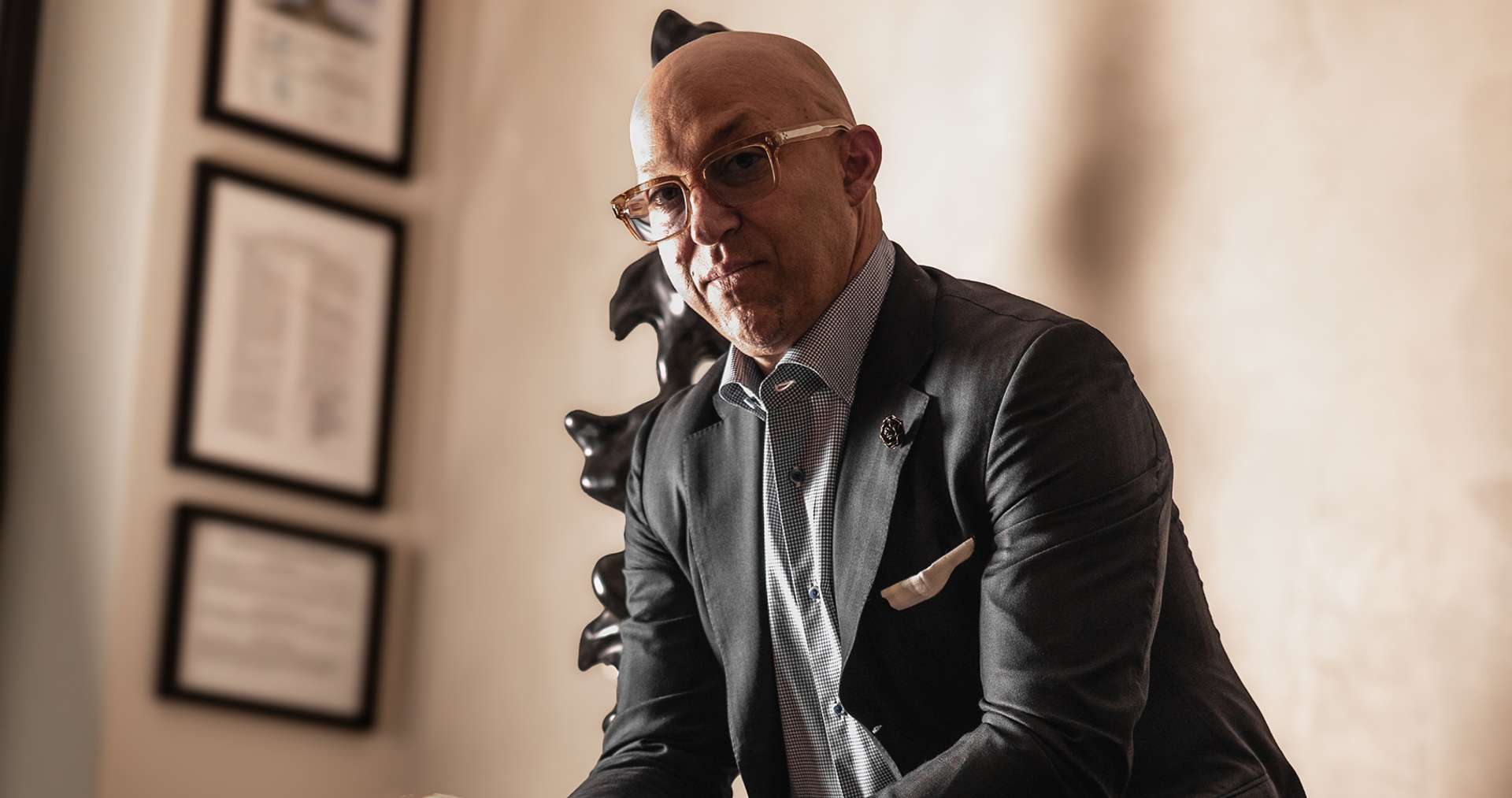
Dr. Glenn Vallecillos is a board-certified plastic surgeon, a Fellow of the American College of Surgeons and the first plastic surgeon in the world to pair VASER-assisted high-definition lipoplasty with InMode’s FaceTite and BodyTite platforms. Among his peers, he is known as a national speaker, a contributor to the European Journal of Plastic Surgery and a Senior Faculty Member of Palette/Scientiae.
Among his patients, he is known for natural, elegant results and the discretion and personal attention that define every visit to his Beverly Hills office. Schedule a consultation to experience that level of care firsthand.
Related Blog Posts

Functional vs. Cosmetic Rhinoplasty

BioIdentical Hormone Replacement Therapy (BHRT): Seven Things You Need To Know

4 Things You Can Try To Fix Your Gynecomastia